



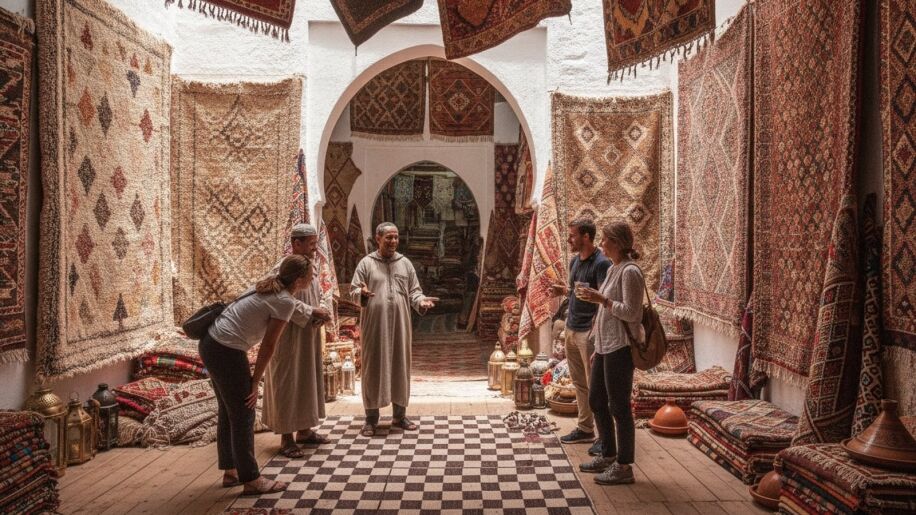
Discover Unique Perspectives from Local Shop Owners
Shopping for rugs in Marrakech can be a captivating journey filled with vibrant colors, intricate patterns, and rich textures. As you delve into the lively souks, it’s essential to know about the shops that offer not just exquisite craftsmanship but also a unique shopping experience. This blog explores exclusive insights from local shop owners, providing you with firsthand accounts about what makes their businesses special, the price ranges you can expect, and essential purchasing tips. Whether you’re a seasoned shopper or a first-time visitor, knowing where to find the best rugs can elevate your experience.
The Heart of Marrakech’s Rug Market
Marrakech’s rug market is a tapestry of history, culture, and craftsmanship. Within the winding alleys of the medina, you’ll discover shops that have stood the test of time, each offering something distinctive. Many of these businesses are family-run, passing down techniques and designs through generations. For instance, Rug Emporium is known for its collection of vintage Berber rugs made by local artisans, emphasizing ethically sourced materials-a trend that reflects shoppers’ increasing preference for sustainable products. Familiarizing yourself with these nuances can help you appreciate each piece’s story, making your purchase more meaningful.
Insights from Local Shop Owners
During my exploration, I spoke with several shop owners who shared what sets their businesses apart. Owners like Ahmed from Berber Treasures highlighted the importance of authenticity in their products. “Every rug tells a story, and we want our customers to be part of that narrative,” he noted. The shop features a range of traditional and contemporary designs tailored to various tastes.
Similarly, Fatima from Artisan Rugs shared her perspective on pricing. “Rugs can range from a couple hundred to several thousand dirhams depending on size, materials, and craftsmanship,” she explained. This insight is crucial for any traveler looking to budget their purchases effectively.
What to Expect in Terms of Pricing
Understanding the price range is essential for any rug shopper in Marrakech. Generally, prices can vary significantly based on the quality of the wool, the intricacy of the design, and the shop’s reputation. After speaking to various shop owners, here is a general guideline:
- Small rugs: Expect to pay between 1,000 to 3,500 MAD.
- Medium-sized rugs: Prices typically range from 4,000 to 8,000 MAD.
- Large or antique rugs: These can cost anywhere between 9,000 and 30,000 MAD or more.
These figures can vary, so it’s always good to engage in friendly negotiation, which is a customary practice when buying in Marrakech.
Tips for Successful Rug Shopping
- Do Your Research: Familiarize yourself with different rug styles and their factors influencing price. Websites like Marrakech Souks Shopping Guide offer valuable insights on what to expect.
- Ask Questions: Don’t hesitate to inquire about the origins of the rug, how it was made, and the materials used. Knowledgeable shop owners appreciate interested shoppers.
- Bargain Respectfully: Prices are often negotiable, allowing you to explore different price points. A polite discussion can often lead to satisfactory deals for both parties.
Exploring Styles and Designs
Marrakech is renowned for its diverse rug styles. From the bold geometric patterns of Berber rugs to the intricate florals of Persian designs, there’s something for everyone. Shop owners emphasize the importance of choosing a style that speaks to you personally. As Imane from Moroccan Rug Gallery shared, “Choosing a rug is like picking a piece of art for your home-make sure it reflects your personal taste.” Therefore, spending time in several shops can help you discover the unique pieces that resonate with your aesthetic.
The Beauty of Handcrafted Quality
Marrakech’s rug shops pride themselves on the craftsmanship of their products. Buying a handmade rug means investing in a piece of art that carries cultural significance and individual character. Shops like Heritage Carpets specialize in handmade creations that showcase the artisans’ skills, ensuring quality and authenticity. The intricate weaving techniques and the local materials used, often telling a story of their own, are what many travelers cherish about their purchases.
Conclusion: Your Authentic Rug Experience Awaits
Shopping for rugs in Marrakech can be an enriching experience that goes beyond merely selecting a home accessory. Engaging with local shop owners not only provides you with unique insights but also opens the door to authentic Moroccan culture. Whether it’s learning about traditional crafting methods or negotiating a fair price, this journey offers a deeper connection to the remarkable artistry of the region. So as you wander the souks, remember to embrace the stories, the people, and the rich heritage woven into each rug you encounter.
Frequently Asked Questions
What should I look for in a quality Moroccan rug?
When assessing the quality of a Moroccan rug, consider the material, weaving technique, and intricacy of the design. Handmade rugs typically demonstrate superior craftsmanship compared to mass-produced options.
How can I tell if a rug is handmade?
Look for irregularities in the pattern and shape, which indicate handwork. Handmade rugs will feature knots that differ slightly, whereas machine-made rugs have consistent patterns.
Are prices negotiable when buying rugs in Marrakech?
Yes, prices are usually open to negotiation. Engaging in a friendly bargaining process is part of the shopping culture in Marrakech, so don’t hesitate to discuss pricing.
What rug styles are popular in Marrakech?
Popular styles include Berber rugs known for their geometric designs, as well as Persian rugs characterized by intricate floral patterns. Each style reflects different cultural heritages.
Should I purchase a rug from a shop or a souk?
Both options have their pros and cons. Shops may offer higher quality assurance and ethically sourced materials, while souks can provide exciting bargains and a lively atmosphere.


