



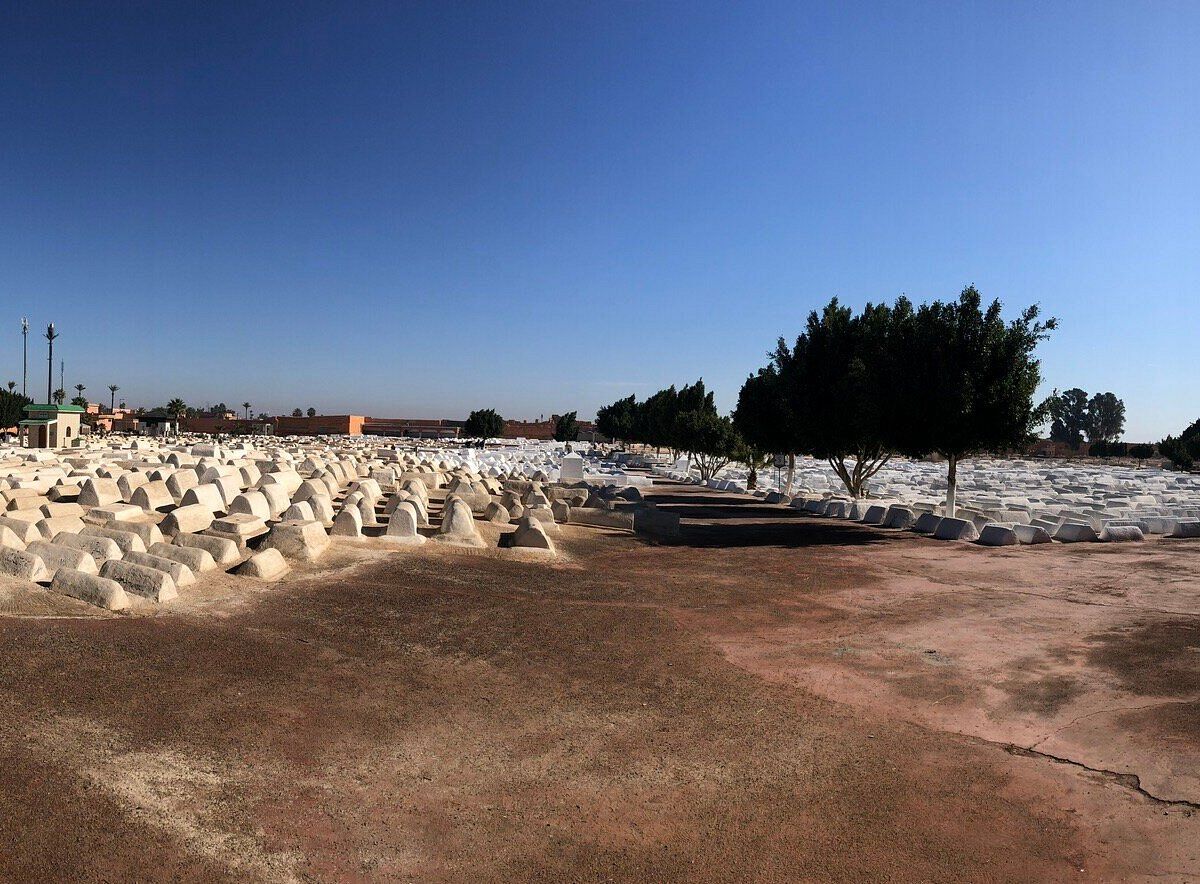
Visiting a cemetery is rarely at the top of a travel itinerary. After all, who wants to be reminded of death when the world outside is bursting with life, color, and adventure? Morocco’s bustling markets, fragrant gardens, and lively medinas pull you into an intoxicating rhythm of exploration. Yet, some places are too historic, too culturally rich, to be ignored. The Jewish Cemetery in Marrakech, tucked away within the Mellah, is one such destination, a quiet, solemn space that offers a deep connection to the city’s intertwined past.
Walking through the cemetery, the first thing that strikes visitors is the stillness. Rows upon rows of whitewashed tombstones stretch into the distance, each one telling a story of a family, a life, or an entire generation. The cemetery, often referred to as the Miaara Jewish Cemetery Marrakech, stands as a testament to centuries of Jewish presence in Morocco and provides insight into a community that played a pivotal role in shaping the cultural landscape of Marrakech.
Introduction to the Cemetery
Located within the historic Mellah, or Jewish Quarter, of Marrakech, the Jewish Cemetery of Marrakech is a sacred and historically rich site. It is a poignant testament to centuries of Jewish life, with tombstones ranging from weathered, centuries-old markers to more modern monuments. This solemn space offers travelers a chance to reflect on a rich, intertwined history between Moroccan Jews and Muslims and serves as a crucial cultural landmark alongside nearby attractions like the Lazama Synagogue Marrakech.
For visitors, the cemetery is more than just a resting place; it is a window into the past. Walking among the rows of simple tombstones, you can almost hear echoes of Marrakech’s Jewish community, stories of family life, business, faith, and resilience. Its presence in the city’s heart makes it a unique spot for those seeking historical depth beyond the usual tourist routes.
History of the Jewish Cemetery Marrakech
The Miaara Jewish Cemetery has been a cornerstone of Jewish heritage in Marrakech for over 500 years. Historical records indicate that the cemetery dates back to the 16th century, coinciding with the establishment of the Mellah. Jewish communities were relocated to the Mellah during this period, and the cemetery was created to serve their spiritual and communal needs.
Situated just a short distance from the center of Marrakech, the cemetery is easily accessible, approximately 2–3 kilometers from Jemaa el-Fnaa, making it a brief 10-15 minute drive from the main tourist hub. This proximity allows travelers to combine a visit with exploring other historical sites in the Mellah, such as the Lazama Synagogue or the bustling souks.
Over the centuries, the cemetery expanded as the Jewish population in Marrakech grew. Generations of families were buried here, from merchants and scholars to spiritual leaders known as Tsadikim. The cemetery remained active until the mid-20th century when many Jewish residents emigrated, primarily to Israel and France, leaving behind this vast testament to their presence.
Today, the cemetery remains a protected cultural site, offering a rare glimpse into the architectural, religious, and social history of Moroccan Jews. Visitors can trace the lineage of families, understand burial traditions, and appreciate the serene beauty of this often-overlooked historical gem.
Characteristics of the Jewish Cemetery Marrakech
The Jewish Cemetery in Marrakech, also known as Miaara Cemetery, is not only a sacred resting place but also a cultural and historical landmark. Walking through its grounds, visitors are immediately struck by a sense of solemnity and continuity, where centuries of history are etched into every stone. Its layout, architecture, and features offer a unique glimpse into the lives, traditions, and values of Marrakech’s Jewish community over the ages.
- Whitewashed Tombstones: The cemetery is dominated by rows of simple, whitewashed tombstones, many of which have weathered over centuries. These create a serene visual rhythm, evoking calm and reflection. The white color symbolizes purity and remembrance, and their worn surfaces tell stories of the generations buried here, offering visitors a tactile connection to the past.
- Small Mausoleums and Memorials: Scattered throughout the cemetery are small mausoleums and commemorative structures dedicated to notable figures, including religious leaders (Tzadikim), scholars, and prominent families. These memorials stand as a testament to the important contributions of the Jewish community in Marrakech and highlight how certain individuals shaped cultural, religious, and social life in the city.
- Organized Rows: Unlike many cemeteries with irregular layouts, the graves in Miaara Cemetery are systematically arranged in neat rows, reflecting meticulous planning and centuries of tradition. This orderly design makes it easier for visitors to navigate the site and emphasizes the cemetery’s role as a structured, sacred space. The arrangement also mirrors the respect for family lineage and communal heritage central to Jewish customs.
- Quiet Pathways: Interspersed among the graves are narrow, quiet pathways that encourage visitors to walk slowly and reflect. These paths provide a meditative experience, allowing time for contemplation and appreciation of the rich history surrounding them. The pathways also subtly guide visitors through different sections, revealing the cemetery’s chronological and spatial organization and enhancing the overall sense of peace.
Visiting Miaara Cemetery, one realizes that every stone, structure, and path has meaning, making it much more than a burial site, it is a living narrative of Marrakech’s Jewish history, culture, and spiritual legacy.
Why Visit the Jewish Cemetery in Marrakech?
Visiting the Miaara Jewish Cemetery Marrakech provides a peaceful, historical, and moving experience, offering insight into Moroccan Jewish heritage and the broader story of Marrakech.
The cemetery is not just a resting place; it’s a living chronicle of Moroccan Jewish history. Travellers especially add the Jewish Cemetery to their travel itinerary because of its special architecture and memorable connection to Moroccan history.
Visitors are often struck by the contrast between the bustling city outside and the calm, contemplative space inside. It is a place where history, memory, and culture converge, offering an invaluable perspective on the city’s layered identity.
- Historical Significance: Dating back to the 1500s, the cemetery reflects the city’s long Jewish history.
- Peaceful Atmosphere: Amidst the hustle of Marrakech, the cemetery offers a quiet, contemplative space.
- Unique Visuals: Hundreds of whitewashed tombstones, small mausoleums, and modest markers tell stories of past epidemics, community life, and generations of families.
- Cultural Insight: Learn about Jewish traditions and the history of the Mellah through the ambiance and interpretive displays.
- Spiritual Connection: Visitors often honor Tzadikim buried here, follow customs like washing hands at the entrance, and leave small stones on graves.
- Entry: A modest fee of around 10 dirhams or a donation box helps maintain the site. Donating to this place helps in maintenance and preservation of a significant historic site.
- Activities: Reflect, explore gravestones, and immerse yourself in centuries of cultural history.
- Vastness: The cemetery is larger than it appears from the gate, with hundreds of graves creating a serene, contemplative environment.
- Peaceful Reflection: The tranquil atmosphere encourages quiet contemplation, honoring lives and history (World Jewish Travel).
- Contextual Exploration: Combine your visit with nearby sites like the Lazama Synagogue for a fuller understanding of Jewish life in Marrakech
Etiquette of Visiting the Jewish Cemetery
Visiting the Jewish Cemetery in Marrakech is a deeply moving experience, and showing respect for the site ensures that this sacred space remains honored for future generations. Keeping a few simple guidelines in mind will help you engage thoughtfully and respectfully with this historic cemetery:
- Dress Code: Modest attire is strongly recommended when visiting Miaara Cemetery. Loose, non-revealing clothing helps maintain the solemnity of the site. Avoid bright, flashy colors or casual beachwear, as the cemetery is a sacred space and a reflection of centuries of Jewish heritage.
- Respectful Conduct: Eating, drinking, or smoking inside the cemetery is considered inappropriate. Maintaining a respectful demeanor honors both the dead and the living community connected to this historic site. Visitors are encouraged to move quietly and thoughtfully through the grounds.
- Grave Etiquette: Avoid stepping on, sitting on, or leaning against the tombstones. Many of these markers are centuries old and fragile, and treating them with care preserves their integrity while showing respect for those interred.
- Leaving Stones: A common Jewish tradition is to leave a small stone on a grave. This gesture symbolizes remembrance and respect for the deceased. When placing a stone, do so gently and consider leaving it on the edge of the grave or tombstone without disturbing the surrounding area.
- Photography: Photography may be restricted in certain areas, so it’s important to ask permission if unsure. If taking photos, do so discreetly and respectfully, avoiding close-ups of names or personal details unless allowed. The focus should be on capturing the historical and cultural context rather than personal memorials.
- Behavior: Maintain quiet, reflective behavior throughout your visit. Conversations should be low and contemplative, and children should be guided to understand the sacred nature of the space. Avoid running, shouting, or making loud noises, as the cemetery is not only a historic site but also an active place of spiritual reflection for many visitors.
By observing these guidelines, your visit to the Miaara Jewish Cemetery can be both educational and spiritually meaningful, allowing you to honor the past while experiencing one of Marrakech’s most poignant cultural landmarks.
Visitor Experience – the Connection of Cemetery and Scary Stories.
Is it scary? Not at all. The cemetery is peaceful, solemn, and contemplative rather than frightening. While urban legends exist, the site is historically and spiritually significant, not haunted. Visiting the cemetery is considered an act of respect, remembrance, and cultural appreciation.
Conclusion
The Jewish Cemetery in Marrakech is a must-visit cultural site for travelers interested in history, heritage, and human stories. While a cemetery may seem unconventional among vibrant markets and gardens, its centuries-old tombstones tell tales of a once-thriving community, offering insight into Morocco’s Jewish heritage. Visiting Miaara Jewish Cemetery provides historical context, peaceful reflection, and cultural enrichment. Coupled with nearby sites like the Lazama Synagogue and the Mellah, it completes a journey into the rich, intertwined history of Marrakech’s Jewish past.
For those willing to step off the typical tourist path, the cemetery is a moving and educational experience, proving that even in quiet, solemn places, the story of life and community endures.
Frequently Asked Questions
Can you visit the Jewish Cemetery Marrakech?
Yes, the cemetery is open to visitors, including tourists. It’s a historical and cultural site, offering insight into the city’s Jewish heritage. Remember to follow etiquette guidelines, dress modestly, and maintain respectful behavior.
Is there an entry fee for Miaara Jewish Cemetery?
There is usually a small entry fee, around 10 dirhams, often collected at the gate or via a donation box. The fee helps maintain the cemetery and support its preservation as a historical site.
Can you take photographs inside the cemetery?
Photography is generally allowed in most areas, but visitors should be discreet and respectful. Avoid photographing graves up close without permission, and be mindful of other visitors paying their respects.
How far is the Jewish Cemetery from central Marrakech?
The cemetery is located in the historic Mellah (Jewish Quarter) of Marrakech, just a short walk from the medina and main attractions. Most travelers can reach it within 10–15 minutes from Jemaa el-Fnaa square.
Is it safe or scary to visit the Jewish Cemetery in Marrakech?
The cemetery is safe to visit during daylight hours. While some might find cemeteries slightly eerie, Miaara is peaceful and reflective rather than frightening. It is a place for history, culture, and contemplation, not fear.


