



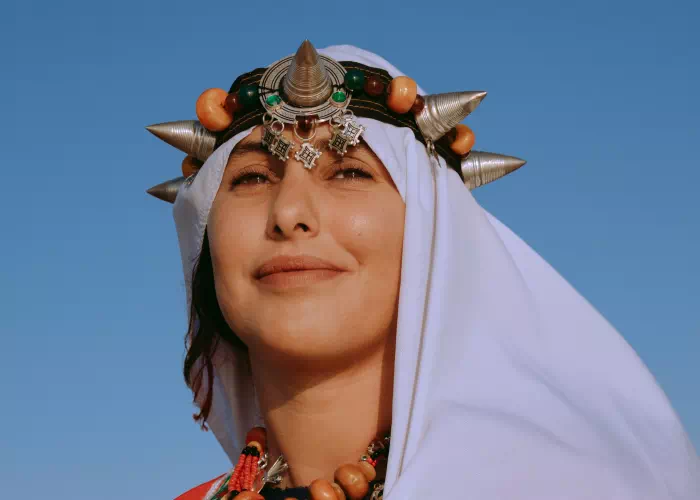
The Berber people are among the oldest and culturally rich communities of North Africa. They have a cultural legacy stretching back to thousands of years. Their traditions, language, and way of life have shaped the identity of regions such as Morocco, Algeria, Tunisia, Libya, and parts of the Sahara, and is a part of a Morocco travel experience.
Many people ask whether “Berber” refers to a culture, religion, ethnicity, or simply a regional term. In reality, it represents an ethnic group with its own culture, traditions, and language, one that has persisted despite invasions, migrations, and modernization.
What are Berbers Known for Globally?
Today, the Berbers are known globally for their craftsmanship, distinctive art, indigenous practices, and invaluable contributions to natural products. From the extraction of argan oil in Morocco, a global beauty commodity, to handcrafted Berber carpets sold worldwide, their cultural footprint continues to influence both traditional and modern industries. It is estimated that over 30–40 million Amazigh people live across North Africa, with large communities in Morocco and Algeria, making them one of the most significant indigenous populations in the region.
Religion plays a large role in their identity as well. Historically, the Berbers of North Africa practiced a mix of ancient indigenous beliefs, Judaism, early Christianity, and animism. Over time, particularly after the Arab conquests, they gradually embraced Islam, and today the majority identify as Muslim, though cultural differences between communities still remain.
What is Berber?
The term “berber” has long been used to refer to the indigenous people of North Africa, though they traditionally call themselves the Amazigh. These communities are predominantly based in the Atlas Mountains, the Sahara, and coastal regions of Morocco, Algeria, Libya, and Tunisia. Their presence stretches from the Atlantic Ocean to the Siwa Oasis in Egypt, reflecting a vast homeland shaped by migration, trade, and resilience.
Historically, outsiders used the term “Berber”, derived from the Greek word barbaros, meaning “foreigner” or “non-Greek.” This label became widespread during the Roman era and persisted under Arab rule. However, Amazigh, meaning “free people.” Despite foreign influence, Berber cultural identity remains deeply rooted in tradition, language, and ancestral practices.
In terms of religion, the berber tribe communities today are predominantly berber muslim, though the culture itself is not tied to a single religion. Their identity is rooted in ethnicity, language, and shared customs rather than religious uniformity. Many wonder: what race are berbers, or are berbers arab? The answer is that Berbers form their own distinct Berber ethnicity, separate from Arab identity, though centuries of intermarriage and cultural interaction have produced a blended yet uniquely Amazigh character.
Understanding the Amazigh: The True Name of the Berber People
While the world may recognize them as the Berbers, the indigenous people of North Africa identify themselves as Amazigh (plural: Imazighen), meaning “free people” in the Berber language. This self-designation emphasizes dignity, autonomy, and cultural continuity. The revival of the Amazigh identity has grown significantly in the past few decades, especially as countries like Morocco, officially recognized Tamazight as a national language.
The choice to embrace the name Amazigh over “Berber” is part of a broader cultural revival emphasizing heritage, literacy, and respect for their unique identity. It distinguishes their historical lineage from Arab cultural influences and strengthens pride in their ancestral legacy. Today, Amazigh symbols, festivals, and language programs play a central role in preserving their heritage for future generations.
The History and Evolution of Berber People
The history of the Berber origin stretches into prehistoric times. Their ancestors inhabited North Africa long before the arrival of the Phoenicians, Romans, Byzantines, and Arabs. Throughout history, the Berber people interacted with, and often resisted, the rule of empires, asserting their autonomy through tribal governance and strategic alliances.
Historical Overview
- Pre-Islamic Era: The Berber ethnicity included Christians, Jews, and indigenous animists. Animism emphasized the spiritual connection between humans, animals, plants, and the land—an ecological worldview that resonates with modern environmental consciousness.
- Islamic Conquests: Following Arab expansion in the 7th century, Berbers gradually embraced Islam. Many converted willingly due to shared values of community and justice, while others adopted it over time through cultural blending.
- Modern Era: Today, most Berbers identify as Berber muslim, though smaller Jewish and Christian Berber communities still exist—especially in Morocco, where remnants of Amazigh Jewish traditions continue to survive.
Key Historical Factors of Berber Tribe
- Resistance to foreign invasion (Romans, Byzantines, Arabs)
- Strong tribal structures and leadership
- Preservation of berber language and symbols
- Unique artistry, music, and oral storytelling
- Geographic diversity (mountains, deserts, oases)
These factors produced a rich and diverse history centered on resilience, cultural identity, and adaptation.
Cultural Events and Traditions of Berber People
Within the Amazigh world, there are multiple berber tribe communities, each with distinct customs, dialects, and traditions. Leadership is often communal, and historically, tribal leaders could be men or women, a testament to the Amazigh emphasis on equality and capability.
Some of the most notable Berber festivals include:
- The Festival of Fantasia (Game of Gunpowder): A dramatic equestrian performance symbolizing unity, courage, and ancestral pride.
- The Festival of Marriage (Imilchil Wedding Festival): A tradition that celebrates love, community identity, and tribal harmony.
In Amazigh culture, everything holds symbolic value. Colors, patterns, jewelry, pottery, and architecture reflect stories of ancestry, spirituality, and the interconnectedness of nature and identity.
Berber Crafts: A Part of Their Culture
Art is central to berber culture, especially in regions where tribal traditions remain strong. Women are often the primary artisans, creating intricate carpets, pottery, jewelry, and woven fabrics. Each design element, such as diamonds, zigzags, and geometric motifs, carries symbolic meaning tied to spirituality, protection, fertility, or nature.
Berber carpets, in particular, are world-renowned. Their handwoven textures, natural dyes, and symbolic patterns have made them highly sought-after pieces in global interior design. Similarly, Amazigh silver jewelry, adorned with talismanic symbols, reflects centuries of craftsmanship and cultural pride.
The Rhythms of Berber Music and Dance
Music and dance are core expressions of the Amazigh identity. Traditional instruments such as flutes, bendir drums, and handmade percussion pieces create rhythmic, mesmerizing sounds. You will often hear Amazigh music at:
- Markets
- Weddings
- Cultural festivals
- Village gatherings
- Seasonal celebrations
These performances often feature call-and-response singing, trance-like beats, and energetic group dancing, celebrating unity and cultural identity.

A Culinary Journey: Tasting Authentic Berber Cuisine
Amazigh cuisine reflects the geography of North Africa: hearty, flavorful, and communal. Some iconic dishes include:
- Couscous – a staple of rural communities
- Tagines – slow-cooked meat or vegetable dishes
- Amlou – a blend of almonds, argan oil, and honey
- Flatbreads cooked over open fire
These foods emphasize simplicity, nourishment, and shared meals, a central concept in Amazigh hospitality.
Immersing Yourself in Berber Culture: Interacting with Local Communities
Travelers to Morocco or Algeria often find the warmth of Amazigh communities unforgettable. Local guides, artisans, and families are eager to share stories of their ancestors, rituals, and daily life. Engaging with them provides insight into a culture that honors traditions while adapting to modern challenges.
Although modern Amazigh communities are predominantly Muslim, the spiritual heritage of the Berbers is diverse and deeply layered. A traveler visiting Morocco can encounter Islamic traditions blended with ancient Amazigh customs, creating a rich cultural and spiritual experience. While the mainstream identity today is Berber muslim, many cultural practices predate Islam and continue to influence weddings, festivals, arts, and social gatherings.
Ways to Experience Berber Spirituality in Morocco
- Attend Amazigh festivals such as Fantasia or Harvest celebrations
- Visit mountain villages where traditional religious practices are preserved
- Explore Amazigh shrines or sacred natural landmarks
- Share meals with local families and learn about ancestral customs
- Participate in communal celebrations, music, or storytelling nights
There have also been debates and controversies surrounding Amazigh identity—particularly regarding language rights, recognition of non-Arab heritage, and differing interpretations of Islam. However, these discussions continue to strengthen cultural revival and promote deeper understanding of Amazigh diversity.
What are Berber People Famous For?
The berbers are globally known for:
- Argan oil production (a billion-dollar global industry)
- Berber carpets and rugs, treasured worldwide
- Distinctive tattoos and symbols
- Silver jewelry and metalwork
- Rich musical traditions
- Unique desert survival skills
- The ancient Tamazight language
Their cultural footprint continues to influence modern fashion, tourism, design, and anthropology.
Frequently Asked Questions
Who were the berbers historically?
They are the unique people of North Africa, with roots tracing back thousands of years before Roman or Arab settlement.
What race are berbers?
Berbers belong to their own distinct Berber ethnicity, indigenous to North Africa, separate from Arabs, though mixed populations exist due to centuries of interaction.
Are berbers Arab?
No, berber vs arab identities are distinct. While many Berbers speak Arabic and practice Islam, they maintain their own language, traditions, and ancestry.
What is the berber language?
The Berber language, known as Tamazight, includes several regional dialects and is officially recognized in Morocco.
What do berber physical features look like?
Berber physical features vary widely, including light to dark skin tones, curly or straight hair, and diverse facial structures due to centuries of migration and intermixing.


