



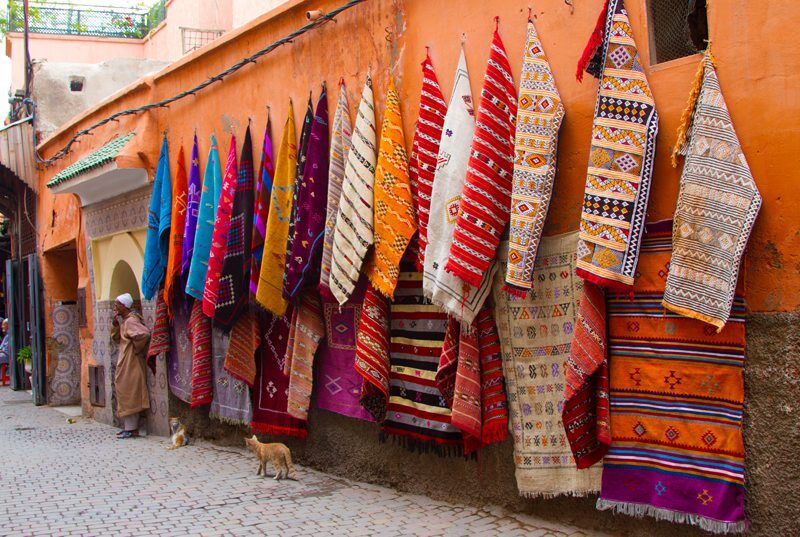
The Berber carpet is not just something to cover your floor—it’s a truly beautiful piece of Moroccan history. For many, many years, women in North Africa have made these strong, lovely fabrics by hand. Before we start talking about the rugs, we should respect the people who create them. They like to be called the Amazigh, which means “free people” in their language.
These special rugs are famous all over the world now. Everyone loves them because they fit into any kind of home. You can buy them in shaggy, extra-thick styles or as bright, colorful rugs that look like modern art. In this guide, we will look closely at these amazing carpets. We will share the old stories, the hidden meanings in the patterns, and the best tips for picking your own. You will see why this famous Moroccan rug is still the perfect thing to make your home cozy and stylish!
1. What Exactly is a Berber Carpet? The Hidden Meanings
This section explains where the rugs come from, what they were traditionally used for, and the powerful secret language hidden in every pattern.
1.1 The Rug is Like a Life Story
The weaving skill is taught from mother to daughter. Making a rug is often tied to the important moments in a woman’s life:
- The Girl’s Practice: Early rugs often have patterns that show her hopes for love, marriage, and having a family.
- The Bride’s Gift: A wedding rug is the most special one. It is woven with prayers and symbols to keep the couple safe.
- A Woven Diary: The finished rug is a record of her life, her dreams, and anything she worries about. This is the deep, real value behind every authentic berber carpet.
1.2 The Language of Symbols: What the Patterns Mean
The designs are not random doodles; they are an old, secret language. Knowing this helps you truly appreciate the rug’s history.
- The Diamond (Rhombus): This is the pattern you see most often. It stands for women, protection, and the idea of birth. It works like a good luck charm.
- The Zigzag: This often means water (which is vital in the desert) or the shape of a snake. It also means healing and change.
- The Eye: A simple shape used to watch over you and keep away bad luck or the “evil eye.”
- The Triangle: Stands for family, the path of life, and staying safe on your journey.
2. The Three Big Styles of Moroccan Berber Carpet
The name Berber carpet covers a few very different styles. Each one is named after the local tribe or area where it began. Here are the three most popular types you’ll find today.
2.1 Beni Ourain: The King of Carpets (The Simple Look)
- Main Details: They have a very high, shaggy pile (super fluffy!). They are made from the best, natural, undyed wool berber carpet (always ivory or cream color).
- Pattern: Very simple. They usually have thin black or brown lines that make basic diamond or grid shapes.
- Original Use: They were woven extra thick for warmth. In the very cold Atlas Mountains, people used them as blankets, beds, and mattresses.

2.2 Azilal: The Colorful Art Rug
- Main Details: They have a medium to low pile and are made from soft wool mixed with cotton.
- Pattern: They are famous for being super creative, abstract, and unbalanced designs. Weavers use natural dyes to add bright spots of color (red, yellow, and blue) onto the cream background.
2.3 Boucherouite: Art from Scraps (The Rag Rug)
- Main Details: These have no wool pile. They are woven entirely from recycled old fabrics, strips of cotton, nylon, or other threads (“rag rugs”).
- Pattern: They explode with bright, wild color and texture. They are honest, real folk art and are fantastic if you want a huge splash of color.
3. Berber Carpet Cost, Real or Fake, and Buying Smart
If you want to buy one, knowing a little about the market helps you buy a real, quality piece for a fair price.
3.1 Understanding Berber Carpet Prices and Cost
- What Makes the Price: The cost changes based on a few things: if it’s old (vintage/antique), the material (100% pure wool is the most expensive), how tightly the knots are made (tighter means better quality), and the size.
- What to Expect: A brand new, large Beni Ourain will have a high Berber carpet cost because it takes so much thick wool to make. Boucherouite rugs are usually cheaper.
3.2 Your Checklist for Spotting a Real Rug
You need to avoid machine-made fakes. Here’s how to check for a genuine Berber treasure:
- Look for Mistakes: An authentic wool berber carpet is knotted by hand. The pattern should look slightly wobbly, uneven, or have small color changes—that’s the mark of a human, not a machine.
- The Feel Test: Real rugs are made from natural fibers. If the pile feels too perfect or like plastic, it might be a cheaper nylon berber carpet fake.
- Check the Edges: Handmade rugs often have edges or fringes that are a bit uneven.
3.3 Simple Bargaining Tips
If you buy in a Moroccan market (souk), they expect you to bargain, but be polite!
- Be Ready: Know the average Berber carpet prices before you go.
- Start Low: A good rule is to offer 30% to 40% less than the first price they give you.
- Be Nice: Keep the talk friendly and respectful. Only start bargaining if you are actually ready to buy the rug.
4. Color, Material & How Long It Lasts in Modern Homes
The Berber carpet colors and patterns you can buy now fit every kind of style, whether you want something very fancy or something tough for a busy hallway.
4.1 Modern Color Choices
While natural ivory and black are the classic look, weavers now use other colors:
- Grey Berber Carpet: A popular neutral color that adds warmth and texture without making the room look too busy.
- Patterned Berber Carpet: Look at Azilal and Boujaad styles if you want a very decorative, colorful look.
4.2 Material: Wool vs. Fake Stuff
- Wool Berber Carpet: This is the original and the best. It naturally resists stains, resists fire, and lasts a very long time. It gives you a luxurious, soft Berber carpet feel.
- Nylon Berber Carpet: This is used in machine-made versions (you can find these at big stores like Berber Carpet Lowes). While cheaper and more uniform, it doesn’t have the unique personality or long life of real wool.
4.3 Texture and How Long They Last
Authentic Berber rugs are famous for their texture. They hold up incredibly well, which makes them a smart choice for places with a lot of foot traffic. The loops of a real wool berber carpet naturally create a tough, textured berber carpet surface.
5. Styling Your Moroccan Classic (Is Berber Carpet Still in Style?)
The answer is a very big YES! These rugs have never gone out of style because they look great with everything.
5.1 The Famous Designers Who Loved Them
Your luxury berber carpet has been used by some very important designers:
- Henri Matisse: He called the Beni Ourain rugs the “White Giants.”
- Le Corbusier: He put them next to his plain, modern furniture, loving the simple texture next to the smooth design.
- Frank Lloyd Wright: He used them a lot to bring warmth and softness into his architectural buildings.
5.2 Easy Ideas for Your Home
- The Simple Home: Use one big Beni Ourain rug to make a statement in a room with clean, wooden furniture.
- Boho Style: Put a colorful Boucherouite rug on top of a straw or jute rug for lots of texture.
- Stairs and Runners: A long, narrow berber carpet runner makes steps softer and quieter.
- Office and Bedroom: A soft berber carpet is perfect for making a space cozy and calm.
6. Simple Tips for Care & Cleaning
Taking good care of your natural fiber Berber carpet means it can last for many generations.
6.1 Daily Cleaning
If you look after your real Berber carpet correctly, it can truly last for a very, very long time—maybe even a couple of generations! Keeping it clean every day is actually pretty simple. When you vacuum the rug, remember to turn off the spinning brush on your machine and just use the suction.
If you use the spinning brush, it can make the long wool fibers get messy and frizzy over time, which you don’t want.
Also, if you spill anything, grab a cloth and wipe it up immediately. The most important thing here is to dab or blot the mess; never rub it, because rubbing will just push the stain deeper into the wool.
6.2 Deep Cleaning & Spots
For those times when your rug needs a deeper cleaning or you have a stubborn spot, you can handle it easily at home. First, get some lukewarm water and mix in just a tiny bit of gentle soap—the kind of soap you’d use for hand-washing something delicate like a wool sweater is perfect.
Take that soapy mix and apply it to the spot using a clean cloth, gently dabbing the area. After that, grab a different clean, wet cloth and dab the spot again and again until you are sure all the soap is rinsed out.
Finally, you need to lay the rug flat to let it dry. Make sure you absolutely never use hot air to speed things up, as too much heat can easily damage the delicate wool fibers.
7. Where to Find The Best Berber Rug Shops in Morocco
You’re ready to buy your own unique rug! Finding the perfect, real one is half the fun in Marrakech. You need a store with good prices and great quality. Skip the places just for tourists! Here are the best, most loved shops, according to what real people who traveled there have said.
Top-Rated Berber Rug Sellers in Marrakech
| Store Name | Vibe & Traveler Review Summary | Contact | Closing Time |
| Fadma Rugs | Huge Favorite. Travelers call this the spot for a “beautiful, authentic rug” at a “very reasonable price.” They have hundreds of high ratings! | 0655-622948 | 10:30 PM |
| Vintage Moroccan Carpets | Quality & Fair Trade. Known for helping customers pick out a “beautiful high-quality carpet at a fair price.” They close early, so plan. | 05243-81845 | 5:00 PM |
| Les Nomades De Marrakech | High Quality Focus. Get a “Great experience buying beautiful and high-quality carpets!” A reliable choice in the city. | 0661-344162 | 7:00 PM |
| Bakrcarpets shop Moroccan Rugs | Service is Key. Praised for “Superb quality, options, service and most importantly… the guys!!” They handle wholesale and retail. | 0607-750667 | 7:00 PM |
| BAZAR SALAMA Berber Rugs | Great Value. Customers highly recommend this spot for “Fair prices and excellent quality.” A solid pick for classic Berber Rugs. | 0662-044056 | 8:30 PM |
| Berber secrets (Moroccan rug store) | Cozy Vibe. Known for friendly service and the overall experience—”Especially with the Moroccan tea!” | 0615-059605 | 10:00 PM |
Also read: Where to buy authentic Moroccan rugs and what to look for
Simple Questions Answered (FAQs)
Is Berber carpet still in style today?
Yes, totally! The clean, simple, and textured look of the Berber carpet makes it a favorite in modern, minimalist, and simple Scandinavian homes. It is a timeless classic, not just a passing trend.
What’s the difference between Azilal and patterned berber carpet?
Azilal is a specific kind of patterned Berber carpet from the Azilal area. It is known for its bright, abstract, and colorful designs on a cream background. Other patterned rugs might be Boujaad (more earth colors) or Beni M’Guild (geometric shapes).
Should I use Berber carpet tiles in my home?
If you mean the cheap, machine-made kind (often nylon berber carpet), yes, berber carpet tiles are used a lot in busy areas like basements because they are easy to install. But they won’t feel as nice as a real hand-knotted wool rug.
Where can I buy soft berber carpet?
For the absolute softest feel, look for a new or old Beni Ourain or Beni M’Guild. These types use the longest, silkiest wool pile. Large shops like Berber carpet stores sell machine-made Berber-style carpeting, but it won’t feel the same as a real wool rug.


