



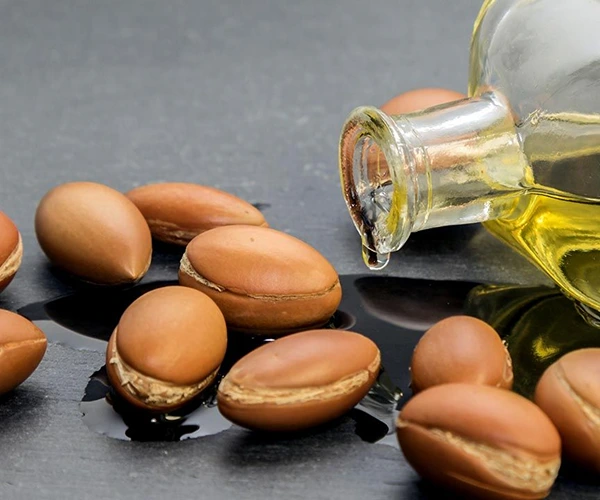
Morocco’s Argan oil is famous for beauty, but it’s also a secret kitchen treasure for the Berber people. When you visit Marrakech, trying this unique flavor is a must. This golden oil is essential in their daily cooking.
To take a real taste of Morocco at home, you must buy pure food-grade argan oil. This guide focuses on the culinary use of argan oil. We will show you the key difference between cosmetic oil and edible argan oil (for cooking).
Culinary argan oil is special because the kernels are lightly toasted for a rich, nutty flavor. This makes it perfect for argan oil for food, used in dishes like the famous Amlou dip. Knowing the difference helps you buy the authentic, high-quality oil and supports the local women who make it.
What Makes Argan Oil Truly Food-Grade?
Finding authentic Argan oil is key. The oil comes from kernels of the Argan tree, which grows only in southwest Morocco. You will find two main types.
- Cosmetic Argan Oil: This is for your skin and hair. The kernels are pressed raw (cold-pressing). It is light, pale, and best for beauty. It has a neutral smell.
- Culinary Argan Oil (Edible Oil): This is for eating. To make edible argan oil, kernels are lightly toasted first. This vital step creates the deep, nutty flavor. Without toasting, the flavor is too bitter for argan oil cooking.
When buying argan oil for food, check the color. Real culinary argan oil is deeper golden-brown than beauty oil. Always ask the seller directly: “Is this the toasted, food-grade argan oil?”
The Benefits and Daily Use of Argan Oil in Food
The Berber people have known the true argan oil food benefits for centuries. This oil is a powerhouse of nutrition. It is naturally rich in Vitamin E. It is also packed with healthy fatty acids, specifically Omega 6 and Omega-9.
These essential nutrients are known to be wonderful for supporting heart health. They can naturally help reduce bad cholesterol levels. This makes the oil a wonderful, natural addition to a healthy, balanced diet. The rich, toasted flavor is just a bonus!
When locals use argan oil for culinary use, they treat it with respect. It is used more like a special, high-quality seasoning than a general frying fat. They avoid using it for deep frying because high heat can easily destroy the oil’s delicate flavor and all its healthy compounds.
Here are the most common and wonderful ways you will see argan oil enjoyed in Morocco:
- Bread Dipping: People enjoy dipping fresh, crusty bread right into the edible argan oil. Sometimes they sprinkle salt or cumin on top for extra flavor.
- Final Drizzle: Drizzle a little oil over warm food like cooked vegetables, fresh couscous, or thick lentil stews just before serving. This simple action really boosts the dish’s flavor.
- Simple Vinaigrette: Whisk the oil with a little fresh lemon juice or vinegar. This creates a fantastic, earthy, nutty dressing.
Moroccan Dish 1: The Famous Amlou
Amlou is the most famous and delicious example of traditional argan oil cooking. It is often lovingly referred to as Morocco’s very own peanut butter. It is a thick, creamy, sweet dip made with just three classic ingredients:
- Almonds, which have been lightly toasted and ground into a fine paste.
- Pure, natural honey.
- High-quality culinary argan oil.
Amlou is a very popular part of breakfast. It is traditionally spread thick on bread or used as a dip for pancakes and pastries. It is delicious, very filling, and highly nutritious. Buying Amlou is actually a great way to quickly judge the quality of the argan oil being used by the vendor.
Moroccan Dish 2: The Final Tagine Touch
The Tagine (the clay pot and the stew inside) is the absolute heart of Moroccan cuisine. It is a dish that is slow-cooked for hours. Just before a meat, chicken, or vegetable Tagine is served, a small amount of argan oil to eat is drizzled over the top of the entire dish. This simple act adds a final, rich, toasted note that truly completes the flavor. This clearly shows you that argan oil for food is always a finishing oil.
How Is Edible Argan Oil Made?
The work that goes into creating culinary argan oil is truly amazing to witness. It is a genuine, slow, labor-intensive process. This traditional method is still performed mostly by women’s cooperatives located right inside the Argan forest area. This special area is found mainly along the road between the coastal city of Essaouira and Agadir.
Step 1: Collecting the Argan Nuts
The argan nuts are not picked from the tree. Instead, they are collected only after the fruit has fully matured and fallen naturally to the ground. Then, the thick, fleshy, hard shell of the fruit must be removed. This reveals the incredibly hard inner nut.
Step 2: Cracking the Nuts
This part of the process requires incredible patience and skill. It is easily the hardest step. The women sit and crack the argan nuts one by one. They use two smooth, flat stones as tools. The work must be done carefully to avoid smashing the precious kernel inside. The hard shell protects only one to three tiny, oil-rich kernels.
Step 3: Roasting the Kernels
This step is the magic moment for the kitchen oil. For the culinary argan oil, these kernels are placed in a pan and lightly roasted over a low heat. This gentle heating process is what releases that famous, signature nutty aroma and deepens the final flavor. This roasting is the key step that makes it perfectly suitable for everyday argan oil cooking.
Step 4: Grinding and Pressing the Oil
Next, the roasted kernels are ground into a thick, dark paste. This was traditionally done using a large stone mill. Nowadays, most certified cooperatives use modern mechanical cold-press machines. These machines are far more hygienic. They also help the oil last longer by pressing out more water. However, the process remains very, very slow. It takes about 40 kilograms (which is about 88 pounds) of the fresh fruit to produce just one single liter of pure oil. This intensive labor and low yield explain why real argan oil is a premium, costly item and is never sold cheaply.
Where to Buy Your Authentic Argan Oil in Marrakech
Because the demand for argan oil is so high, many fake or mixed products have entered the market. As a traveler, you absolutely must know where to find the pure, real deal. The best place to buy is where your purchase is guaranteed pure and also supports the Berber women who do the hard work.
Read more about: Where to buy Argan Oil in Marrakech
1. The Women’s Cooperatives (The Best and Most Ethical Choice)
This is the absolute gold standard for sourcing real food-grade argan oil. These Cooperatives are non-profit groups that are managed and run by the Berber women.
- Why They Are Best: When you choose to buy here, you ensure your money goes directly to the women and their rural community. This means you are supporting a verified fair trade practice. The production process is always completely transparent. Often, you can even watch the essential hand-cracking of the argan nuts in person.
- Where to Find Them: The main Argan forests are located outside Marrakech, toward the Atlantic coast cities of Essaouira and Agadir. Many organized day tours from Marrakech wisely include a stop at one of these reliable cooperatives. Ask about places like Coopérative Toudarte or Coopérative Tamaynoute inside the Argan forest zone.
- Price and Quality: Prices at cooperatives are firm and non-negotiable. This fixed price is your signal of honesty and fairness. The oil is guaranteed to be 100% pure. They sell certified organic argan oil for food.
2. Specialty Shops in the Medina (The Safest City Choice)
If your travel schedule means you must shop inside Marrakech, you should strongly avoid the large, general market stalls. Instead, look for small, specialized shops.
- What to Look For: These dedicated shops focus only on high-quality spices, herbs, and natural oils. They are commonly called Herboristeries. They are likely to sell established culinary argan oil brands. The staff are typically more knowledgeable and can show you product certifications.
- Reputable Names: Shops located close to the main square, Jemaa el-Fna, or in the Souk Cherifia area are generally much safer choices. You should expect to pay a bit more here than you would at a cooperative, but this cost buys you a quality guarantee.
3. Pharmacies and Health Stores
In the more modern parts of Marrakech or in larger cities like Casablanca, you can always check inside local pharmacies. They frequently stock well-known Moroccan cosmetic and argan oil food products that meet high standards for proper labeling and overall cleanliness. These are often certified culinary argan oil brands that you can rely on.
Final Simple Rules for Your Purchase
Keep these final, easy rules in mind to ensure you bring home the very best of this Moroccan treasure:
- Look for Dark Bottles: Pure argan oil is highly sensitive to bright light. It must always be stored and sold in a dark glass bottle (brown or cobalt blue). Never buy it from a clear plastic or clear glass container.
- Check the Toasted Kernels: Since you are buying edible argan oil, you must confirm that the kernels were gently roasted before the pressing took place. This is what guarantees you the best flavor for argan oil cooking.
- Use It Cold Only: Remember that you must always use your argan oil only as a finishing touch. Do not use it for general deep frying. This careful use preserves its incredible flavor and all of its valuable argan oil food benefits.
Buying high-quality food-grade argan oil is a meaningful experience. It is far more than just a trip to the shop. You get to enjoy a truly unique and healthy food product. Just as important, you directly help support the incredible women who tirelessly continue this beautiful, ancient tradition. Bring home a bottle of this true golden treasure. You will forever have a special piece of Moroccan culture waiting for you in your own kitchen.
Checkout the 10 more Argan Oil products to buy in Marrakech
How to Easily Spot Fake Argan Oil (A Buyer’s Checklist)
When you are walking through the busy souks, you need to be an alert, careful buyer. Some vendors may try to sell you oil that is mixed with cheaper vegetable oil. Always use your senses to quickly check the quality of your potential argan oil for food.
| Test | What Real Culinary Argan Oil Does | What Fake or Low-Quality Oil Does |
| Smell Test | It has a strong, welcoming, toasted nutty aroma. This smell is the sign of roasting. | It has almost no smell (it’s too refined), or it smells rancid or overly bitter. |
| Color Test | It should be a deep, rich golden-brown color. | It looks too pale yellow (like the cosmetic oil) or it looks very dark and muddy. |
| Texture Test | It should feel thin and smooth on your skin. It is not heavy or sticky. | It feels heavy or greasy. This is the sign it has been mixed with a cheaper cooking oil. |
| Price Check | A 100ml bottle should reliably cost you between 80 to 150 Moroccan Dirhams (MAD). | The price is extremely cheap—like 40 to 60 MAD. This low price is a definite sign that it is diluted. |
| Label Check | The ingredient list must say only and exactly “Argania Spinosa Kernel Oil.” | It lists additional ingredients, water, or chemical perfumes. |
FAQs About Culinary Argan Oil
Can I use the same bottle of Argan oil for both cooking and my hair?
No, you should never do this. Culinary argan oil is made by toasting the kernels. This process gives it a very strong, distinct nutty flavor and smell. You absolutely do not want that toasted smell on your hair. Cosmetic oil is made from raw, un-toasted kernels and has a neutral smell. It is always best and simplest to buy two separate bottles for your two different needs.
Is Argan oil healthy to eat? What are the benefits?
Yes, it is considered very healthy. The argan oil food benefits are excellent. It is naturally very rich in Vitamin E. It is also packed with healthy unsaturated fatty acids, especially Omega 6 and 9. These are commonly known as ‘good fats.’ They help maintain your heart health and assist in keeping cholesterol levels balanced.
Why is real culinary Argan oil so expensive to buy?
The high price is due to the intensive labor required. The Argan tree only grows in one small area of the world. It takes about 40 kilograms of the fruit to produce just a single liter of oil. The essential cracking of the argan nuts must be done slowly by hand. This hard, low-yield process is why the oil is a premium, high-value product.
What is the most famous Moroccan food made with Argan oil?
The most famous food is Amlou. This is a delicious, creamy, and sweet dip. It is made by blending finely ground almonds, pure local honey, and culinary argan oil. It is traditionally served with fresh bread for breakfast or as a welcome snack during tea time.
How should I store my edible Argan oil when I return home?
You must store your argan oil for food in a cool, dark place. A kitchen cupboard or pantry is the perfect spot. Keep the bottle away from direct sunlight and also away from heat sources like your stove. If you store it correctly, an opened bottle will usually stay fresh for anywhere between six months to one full year.


