



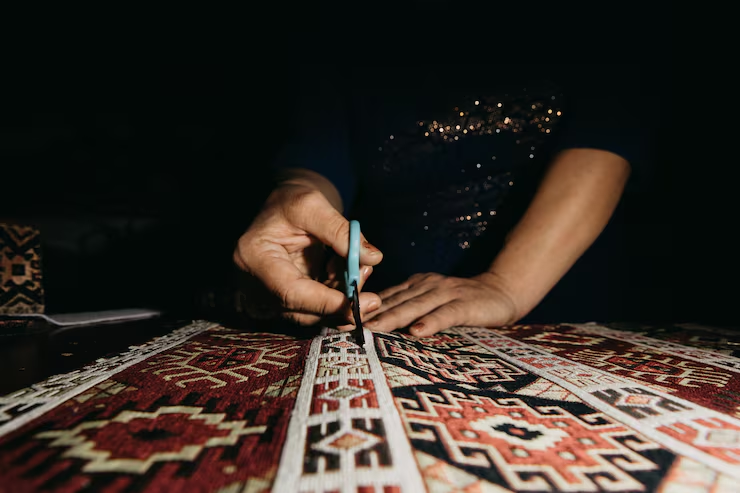
Morocco is famous for its culture-rich architecture showcased beautifully in iconic mosques, diverse landscapes, and the golden-hour charm of the Sahara Desert. From camel rides to lively souks, from spice blends to artisan crafts, from serene lakes to the grandeur of the Atlas Mountains, Morocco offers a mosaic of experiences. Yet, beyond all these wonders, there is one thing no traveller leaves Morocco without: shopping.
According to global tourism reports, over 60% of tourists purchase handicrafts or traditional home décor items from Morocco, making it one of the world’s top countries for artisan souvenirs. Among the most beloved treasures? The handmade Moroccan rugs, a living testament to Berber heritage and textile mastery.
These rugs are more than décor; they are emotional keepsakes, wrapped in tradition, woven by Berber women who carry centuries-old craftsmanship in their hands and one of a kind talent in their genes. Whether it’s the earthy textures of a handwoven Moroccan rug, the geometric perfection of a hand-knotted Moroccan rug, or the vibrant charm of handmade colorful Moroccan rugs, these pieces continue to mesmerize collectors and décor lovers worldwide.
Characteristics of Moroccan Handmade Rugs
Moroccan handmade rugs possess a unique blend of artistry, purpose, and heritage. More than just functional items, they are storytellers passed from one generation to another. Each strand embodies symbolism, emotions, and the lived memories of the artisans who create them.
These rugs stand out for their texture, ancient symbolism, and eco-friendly materials. Whether you’re drawn to the minimalist appeal of Beni Ourain or the vivid tones of Azilal, handmade Moroccan rugs effortlessly elevate interiors with warmth, character, and authenticity.
Key Characteristics
- Specialty of Threads: Moroccan rugs typically use wool sourced from sheep raised in the Atlas Mountains — wool that is naturally plush, durable, and highly insulating. The purity of the fiber gives hand woven Moroccan rugs their signature softness and rustic elegance.
- Unique Weaving Techniques: The weaving process involves traditional hand-knotting, looping, or flat-weaving. Each region has its own method, giving birth to distinct rug types from high-pile Beni Ourain to flat-woven Kilims. These ancient techniques give handwoven Moroccan rugs their unmatched longevity and charm.
- Weave Count: A higher knot density usually means finer detail and longer durability. The tightness of the weave sets hand knotted Moroccan rugs apart as heirloom-quality pieces.
- Color Palette: The dyes used are often natural, derived from saffron, henna, pomegranate, indigo, and local plants. The result? A palette ranging from earthy neutrals to bold hues, perfect for both smaller handmade modern Moroccan rugs and handmade vintage Moroccan rugs.
- Common Sizes & Uses: Moroccan rugs come in many sizes and functions. From narrow hallway runners to large living-room centerpieces, from handmade Moroccan rugs for kitchens to cozy handmade Moroccan rugs for bedrooms, the versatility is endless.
History of Moroccan Rugs
The story of Moroccan rugs begins in the rugged Atlas Mountains thousands of years ago. The Berber tribes, known for their nomadic lifestyle, created rugs to survive cold winters and desert nights. They didn’t weave for décor — they wove for survival. This story adds a special touch to these rugs and has made this tradition to not only survive but also thrive in Moroccan culture.
However, as times evolved and other means of warmer textiles emerged, these rugs, while maintaining their functional purpose, gradually evolved into artistic expressions. Each region developed its own patterns:
- Beni Ourain tribes used creamy wool and dark geometric lines.
- Azilal rugs introduced bursts of vibrant colors.
- Zanafi rugs blended bold motifs with contemporary aesthetics.
This also gives each rug a distinctive identity based on the region where it was made. You can even select rug styles based on regional identity to complement your home’s aesthetic.
However, Berber women have always been the heart of this tradition. Their designs are not drafted on paper — they come from memory, intuition, and ancestral knowledge, making every rug a personal diary woven in wool. This is why no two rugs are identical, making the piece you bring home truly one of a kind.
Today, Moroccan rugs symbolize heritage, creativity, and identity. Their global rise has made pieces like handmade Boucherouite Moroccan rugs a favorite among designers seeking sustainable, artistic statement pieces.
Why Are Moroccan Rugs Timeless?
Moroccan rugs hold a timeless quality because they blend heritage with modern design effortlessly. Their minimalist patterns, earthy tones, and geometric motifs make them suitable for traditional and contemporary homes alike. Also the factor of long-term durability makes these rugs timeless. It is said, a high-quality Moroccan rug, whether Beni Ourain, Boucherouite, Azilal, or Boujad, can last 20 to 50+ years with proper care.
Some hand-knotted wool Moroccan rugs even last several generations, especially those made from premium Berber wool.
These rugs are more than décor items, they are organic artworks that soften spaces and add meaningful warmth. Their timelessness lies in their authenticity, handcrafted nature, and ability to age gracefully. In a world of mass-produced home décor, an authentic Moroccan rug is a rare treasure that never goes out of style.
Their versatility is unmatched too. Whether placed in a chic contemporary apartment or a rustic countryside home, handwoven Moroccan rugs naturally harmonize with any aesthetic.
Here is what you need to know about different types of Moroccan Rugs and their durability:
| Rug Type | Typical Lifespan | Notes |
| Hand-knotted wool Moroccan rugs | 30–50+ years | Most durable, often heirloom pieces. |
| Vintage/antique Moroccan rugs | Already 30–80 years old and can last decades more | Handmade quality allows long lifespans. |
| Hand-woven flatweave kilims | 15–25 years | Slightly less durable than hand-knotted. |
| Boucherouite (rag rugs) | 10–20 years | Made from recycled textiles; lifespan depends on fabric quality. |
How Are Moroccan Rugs Made?
The making of a Moroccan rug is a soulful, time-intensive craft. The process can take weeks or even months depending on the rug’s size, style, and knot density. The Berber women create their rug designs as a part of their daily routine hence why they are able to craft these rugs so effortlessly. Here is what goes into the creation of every Moroccan rug.
The Process
The journey begins in the Atlas Mountains, where local wool is sourced from free-grazing sheep known for their thick, weather-resistant fleece.
The wool is washed, carded, and hand-spun into yarn. Natural dyes from plants, spices, and minerals bring color to life. Indigo adds deep blues, pomegranate skins give orange undertones, henna creates reds, and saffron offers shades of gold.
On the loom, the real magic begins. Berber women work from memory, guided by tradition. No sketches, no digital patterns — only inherited knowledge. Knot by knot, line by line, each rug takes shape slowly, embodying uniqueness and sincerity.
This craft is proudly preserved by rural cooperatives across Morocco, ensuring fair wages, ethical trade, and cultural preservation.
Elements of the Rug-Making Process
Materials
Moroccan rugs primarily use natural fibers such as wool, cotton, jute, and sometimes silk. Wool remains the preferred material due to its softness, insulation, and durability. Its ability to absorb dyes beautifully makes it perfect for both neutrally toned and handmade colorful Moroccan rugs.
Techniques
Techniques vary by tribe, from hand-knotting to flat weaving. Some rugs incorporate intricate pile work, while others use tight loops or striped patterns. These techniques define rug categories like Beni Ourain, Kilim, Boucherouite, and Azilal.
Craftsmanship
Every rug is the result of immense patience and precision. Skilled artisans spend weeks ensuring each knot, loop, or weave aligns with their vision. This meticulous attention makes handmade Moroccan rugs far superior to their machine-made counterparts.
Differences from Machine-Made Rugs
Machine-made rugs lack individuality and emotional value. In contrast, handcrafted rugs feature subtle imperfections that add character. Each hand woven Moroccan rug is a one-of-a-kind piece that showcases the artisan’s personal touch and cultural expression.
How Much Do Moroccan Rugs Cost?
Moroccan rug prices vary widely based on material, knot density, region, age, and rarity. A small, simple design can cost $100–$300, while larger high-knot rugs or vintage pieces can range anywhere from $800 to several thousand dollars.
Cost-Determining Features Table
| Feature | How It Impacts Cost |
| Wool Quality | Higher quality wool = softer, more durable, more expensive |
| Knot Density | More knots per inch = finer detail and higher cost |
| Rug Size | Larger rugs require more time + materials |
| Natural Dyes | Naturally dyed rugs cost more due to labor-intensive dyeing |
| Tribe/Region | Certain tribes like Beni Ourain or Azilal have higher demand |
| Age/Vintage Status | Vintage rugs are highly valued and priced higher |
| Complexity of Design | Intricate motifs and symbolism increase price |
Types of Handmade Rugs in Morocco
The uniqueness of Moroccan rugs lies in the coded language woven into every piece. Berber symbols carry deep meanings related to life, spirituality, fertility, and protection.
Common Berber Symbols & Their Meanings
- The Diamond: Symbolizes protection and femininity, believed to ward off evil.
Why Should You Buy it?
If you want a piece that brings both beauty and meaning, the diamond symbol is perfect. It represents protection, femininity, and strength, making it an ideal choice for anyone seeking a culturally rich item that carries a sense of safety and positive energy. Whether in jewelry, rugs, or décor, it adds a timeless touch with deep Berber heritage.
- The Triangle: Associated with womanhood, motherhood, and harmony.
Why Should You Buy It?
Choose items with the triangle symbol if you’re drawn to themes of harmony, balance, and nurturing energy. Since it represents womanhood and motherhood, it’s especially meaningful as a gift for women, new mothers, or anyone seeking grounding and emotional connection. Its clean geometric shape also looks modern and stylish in any piece.
- Zigzag Lines: Represent the journey of life, resilience, and transitions.
Why Should You Buy It?
Zigzag designs are perfect for those who love expressive, dynamic patterns with symbolic depth. Representing life’s journey, resilience, and transitions, they resonate with travelers, dreamers, and anyone celebrating growth or new beginnings. They instantly add character and movement to any accessory or textile.
- Horizontal Lines: Signify peace, stability, and passage of time.
Why You Should Buy It?
If you prefer minimalistic yet meaningful symbolism, horizontal lines are a beautiful choice. They stand for peace, stability, and the passage of time — ideal for people who value calmness and balance. Items featuring this symbol blend easily with modern décor while holding cultural significance.
These motifs are never random. They reflect the weaver’s personal experiences, tribe, and environment, making each handmade vintage Moroccan rug or modern creation a cultural treasure.
The Best Sellers to Get your Handmade Rugs in Marrakech
As you roam the streets of Marrakech, you will see that Marrakech is home to some of the most talented rug artisans and merchants in Morocco, blending centuries-old weaving traditions with modern design sensibilities. From bustling souks to curated boutiques, the city offers an incredible range of hand-knotted, handwoven, and vintage Berber pieces.
While some are well-established luxurious rug studios, some independent sellers are also well known for their high-quality collection of local rugs. Below are some of the most popular and trusted rug sellers known for quality craftsmanship and authentic Moroccan textiles.
1. Aux Merveilles de Marrakech
Location: Rue Mouassine, Marrakech Medina
Price Range: Approx. 1,500–12,000+ MAD, depending on style, size, and complexity
Based in the heart of the bustling Mouassine district, Aux Merveilles de Marrakech is a traditional stop for travelers seeking authentic Moroccan craftsmanship. Since 1936, Aux has been selling original, handmade Moroccan rugs. The shop is known for its warm, welcoming atmosphere and a carefully curated selection of Berber carpets, from soft neutral Beni Ourain styles to vibrant handwoven Moroccan rugs bursting with character. Many visitors appreciate the honest pricing and the owner’s detailed knowledge of rug symbolism, materials, and weaving traditions. It’s a perfect spot for those wanting a quality rug without the overwhelming haggling of the larger souks.

Aux Merveilles de Marrakech
Aux Merveilles de Marrakech is a distinguished Moroccan rugs and carpets shop located in the heart of Marrakech, offering a rich selection of traditional and contemporary handmade rugs. Known for its authentic craftsmanship and quality materials, the store features a variety of Berber and Moroccan carpet styles — from vibrant, hand-woven designs to timeless tribal […]
2. SOUFIANE ZARIB (4.4/5)
Location: 16 Rue Sidi Ali Ben Hamdouch, Dar El Bacha, Marrakech Old Medina
Price Range: Approx. 3,000–25,000+ MAD depending on size, age, and rarity
Discover a Marrakech institution beloved by locals and international designers alike. Soufiane Zarib’s showroom showcases a remarkable variety of handmade Moroccan rugs, from classic Beni Ourain and Boujad pieces to contemporary reinterpretations of traditional designs. Each rug is handwoven by skilled Berber artisans using natural wool and ancient techniques, making this a destination for serious collectors and décor enthusiasts. Zarib personally guides customers, offering rich context about the origin and cultural significance of every piece.
3. Studio LID (4.9/5)
Location: 256 Rue Sidi Ghanem, Marrakech Industrial District
Price Range: Approx. 2,500–20,000+ MAD
A family-run workshop and gallery that has been weaving Moroccan rugs since 1940, Studio Lid is renowned for its vibrant and artistic designs. The shop works closely with over 200 female artisans from the High Atlas Mountains, producing handmade colorful Moroccan rugs and bespoke creations inspired by both tradition and innovation. Their approach blends craftsmanship with artistic freedom, making their pieces ideal for design-savvy travelers and interior stylists seeking something truly special.
4. Sounfy Art Gallery (4.8/5)
Location: 18 Rue Sidi el Yamani, Marrakech Medina
Price Range: Approx. 2,000–15,000+ MAD
Soufny Art Gallery is more than a rug shop — it’s a cultural destination blending textiles, vintage décor, and artistic ambiance. Nestled in the historic Medina, this gallery features a curated selection of Moroccan hand woven rugs alongside artisan artwork and heritage pieces. It’s an excellent stop for travelers who want a calm, inspirational experience while browsing authentic rugs steeped in Moroccan history and creative spirit.
5. Bazar Les Palmiers (5/5)
Location: Rue Ank Jemel, Marrakech Medina
Price Range: Approx. 1,500–10,000+ MAD
A boutique favorite among locals and visitors, Bazar Les Palmiers offers a thoughtfully selected range of handmade Moroccan rugs featuring both traditional and contemporary aesthetics. The cozy, curated shop focuses on quality pieces that balance classic Moroccan heritage with modern tastes, making it a great choice for travelers seeking rugs that feel artistic yet accessible. Their friendly staff are known for helping customers find the right rug for their home style and budget.
6. Biddarugs (4.9/5)
Location: Souk des Tapis, Rue el Fekharine, Marrakech Medina
Price Range: Approx. 1,000–8,000+ MAD
Tucked into the vibrant rug souk of Marrakech, Biddarugs is a superb stop for those who love authentic market experiences. This hidden gem specializes in a variety of genuinely handmade Moroccan rugs, including tribal, vintage-inspired, and everyday pieces that represent great value for quality craftsmanship. Exploring Biddarugs offers both variety and a classic Moroccan shopping atmosphere — perfect for souvenir hunters and décor lovers alike.
Tips for Buying Rugs in Marrakech
- Many rug stores do not list prices publicly, so negotiation is expected in this market.
- Prices vary with size, weave density, age, and provenance — large authentic pieces can range from a few thousand to tens of thousands of Moroccan dirhams.
- Educate yourself about the material used, weave type, selection
- Ask about natural dyes, tribal origin, and weave techniques to ensure authenticity.
Make your Moroccan Rug Last Longer: Caring for Handmade Moroccan Rugs
To maintain the beauty and lifespan of your rug, follow these essential care practices designed to protect its natural fibers, vibrant dyes, and artisanal craftsmanship. To reach the 30–50+ year lifespan:
Regular Cleaning
Use a suction-only vacuum to remove dirt without harming fibers. Avoid friction during vacuuming by directly rubbing the vacuum brush on the surface, this may cause the weave to unravel.
Spot Cleaning
Blot spills immediately and clean gently with a mild detergent solution. Avoid rubbing. For stains, use a mild, wool-safe detergent to protect the natural dyes.
Professional Cleaning
Have your rug deep-cleaned every 1–3 years to maintain its texture and brightness.
Rotation
Rotating your rug every 6-12 months, ensures even wear and prevents fading on areas exposed to sunlight or heavy foot traffic.
Padding
Placing a pad underneath prevents slipping, reduces pressure on the fibers, and adds longevity.
Avoid Sunlight
Direct sunlight may fade natural dyes, place rugs in shaded areas. Because Moroccan rugs use natural dyes and no artificial chemicals, they may fade under strong, direct sunlight. It is best to place them in areas with filtered or indirect light.
With proper care, handwoven Moroccan rugs can last generations.
How to Choose the Best Moroccan Rug for Your Home
Choosing a Moroccan rug means choosing emotion, cultural value, and artistic expression.
1. Consider Your Space & Style
When choosing a Moroccan rug, start with the personality of your space. Large, neutral-toned rugs work beautifully in minimalist or contemporary homes, adding warmth without overpowering the room. Bold Azilal and Zanafi designs, with their expressive colors and patterns, are perfect for eclectic or bohemian interiors. Pick a rug that naturally complements your existing décor style.
2. Balance Color & Texture
Moroccan rugs often feature rich textures and striking motifs, so it’s important to create balance. Pair vibrant or patterned rugs with neutral furniture and earthy décor to let the rug stand out gracefully. If your room already has bold elements, opt for softer tones and simpler patterns. The right balance ensures harmony and visual comfort.
3. Embrace the Imperfections
Handmade Moroccan rugs come with charming irregularities that reflect true artisan craftsmanship. Slight asymmetry, uneven lines, or unexpected motifs add authenticity and character, showcasing the handmade nature of the rug. These details make every rug unique, turning your piece into a story-rich work of art. Embracing these imperfections enhances its beauty and cultural value.
4. Consider the Purpose of the Rug
Your rug choice should match the function of the room. Flatweaves or kilims work well for entryways, kitchens, and dining areas where durability and easy cleaning matter. Plush Beni Ourain or Azilal rugs are ideal for living rooms or bedrooms where softness and comfort are key. Choosing with purpose ensures longevity and practicality.
5. Choose Symbolism That Harmonizes Your Space
Moroccan rugs are believed to carry energies through their Berber symbols, making them more than decorative pieces. Select motifs that match the mood you want to create—diamonds for protection, triangles for harmony, zigzags for resilience, or lines for peace. These symbols are traditionally woven to bless and balance home environments. Your rug becomes both art and meaningful energy in your space.
Conclusion
In a world overwhelmed by mass-produced décor, an authentic Moroccan rug is a timeless investment. As soon as you place one in your home, you’ll feel its warmth, texture, and soul transform your space.
Each rug embodies:
- Longevity
- Ethical value
- Emotional storytelling
- Warmth for colder seasons
Unlike machine-made rugs, hand woven Moroccan rugs age beautifully — their fibers soften, their colors deepen, and their meaning grows with you.
A handmade Moroccan rug is not just a purchase.
It’s heritage.
It’s art.
It’s a story.
And it’s yours to keep for generations.
Frequently Asked Questions
Are handmade Moroccan rugs worth buying?
Yes, they’re crafted with natural wool, unique designs, and traditional techniques that make each rug one-of-a-kind. Because they last for decades and hold cultural value, they’re considered a long-term investment rather than simple décor.
How can I tell if a Moroccan rug is authentic?
Authentic rugs are handwoven, slightly imperfect, and made from natural wool rather than synthetic fibers. Look for uneven edges, natural dyes, and a soft yet dense texture, these are signs of true Berber craftsmanship.
Do Moroccan rugs shed a lot?
Some light shedding is normal at first, especially with high-quality wool rugs. With regular vacuuming (no beater bar) and proper care, shedding reduces significantly over time.
Can Moroccan rugs fit modern interior styles?
Absolutely. From minimal neutral spaces to colorful boho rooms, Moroccan rugs blend easily with most design themes. Their textures and patterns add warmth, depth, and personality to any setting.
How long do handmade Moroccan rugs last?
With proper care, Berber rugs can last 20–50 years or even longer. Their durability comes from dense weaving, natural wool, and hand-knotting techniques passed down for generations.
Are Moroccan rugs safe for high-traffic areas?
Yes, many Moroccan rugs, especially those made from thick wool, are ideal for living rooms, hallways, and entryways. Their sturdy fibers and tight weaving help them withstand daily use without losing their beauty.


