






Unveiling the Beauty and Value of Moroccan Rugs
Exploring the vibrant world of Moroccan rugs can be an exciting adventure, especially if you have a keen eye for quality and pricing. Marrakech is renowned for its stunning rugs, each with unique craftsmanship that reflects the rich culture of the region. In this guide, we will delve into the various types of rugs available in Marrakech, compare their prices and quality across different shops, and provide insights from local artisans. Whether you are a traveler looking to take home a piece of Morocco or simply a rug enthusiast, this comparative analysis will serve as your ultimate guide.
Understanding the Types of Rugs in Marrakech
Moroccan rugs vary widely in design, style, and material. The two most prominent types are Berber rugs and kilims, each offering distinctive aesthetics and cultural significance. Berber rugs are often handwoven by local artisans using traditional techniques and feature geometric patterns that tell a story or represent tribal affiliations. In contrast, kilims are flat-woven rugs known for their vivid colors and intricate patterns that offer a more contemporary feel.
Understanding these differences is essential when navigating the rug market in Marrakech. As you explore, pay attention to the weaving techniques and materials used, as they can greatly affect both the price and quality of the rugs. For more detailed tips on shopping for rugs, check out our Expert Tips for Shopping for Rugs in Marrakech.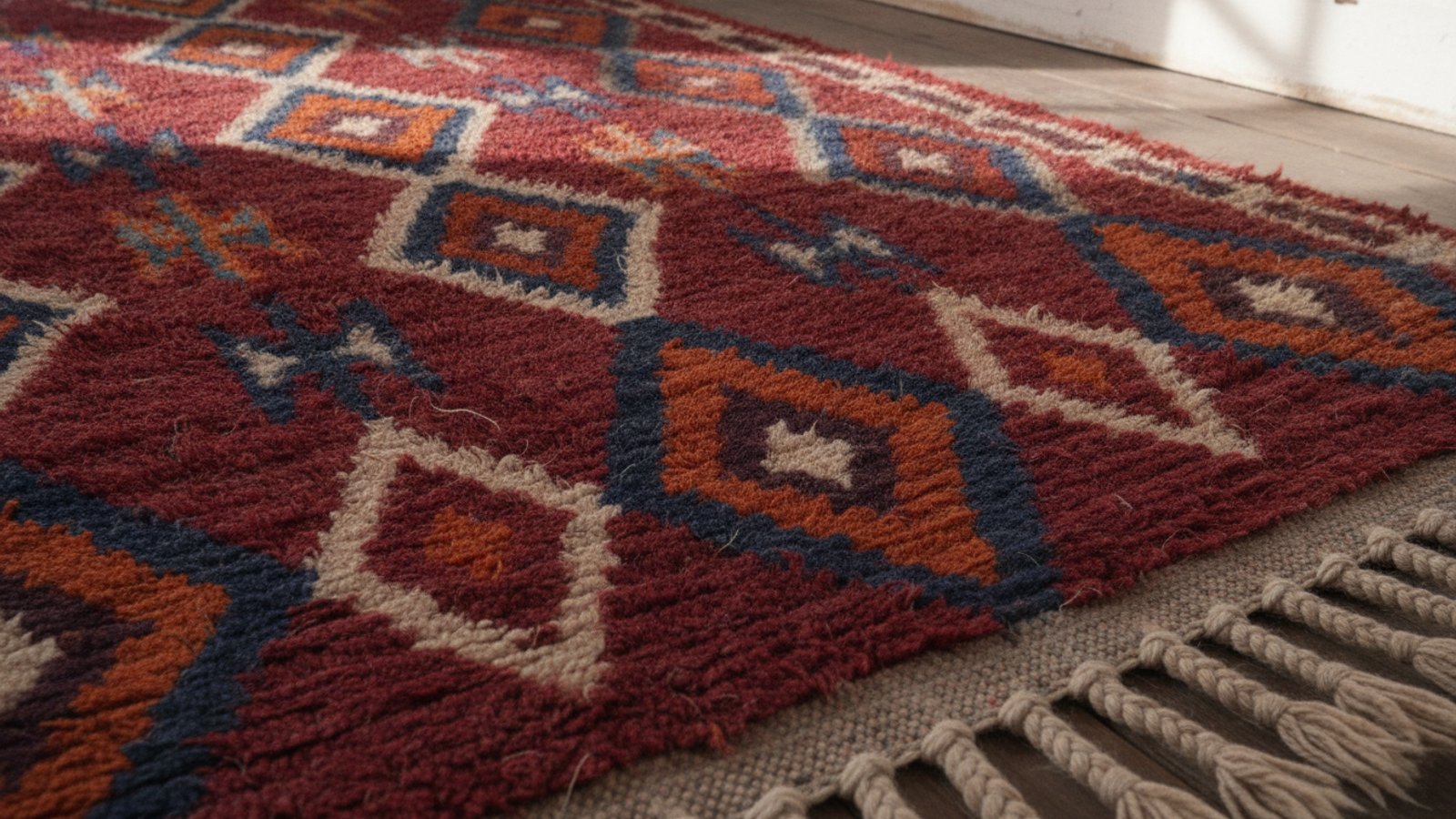
The Best Places to Buy Rugs in Marrakech
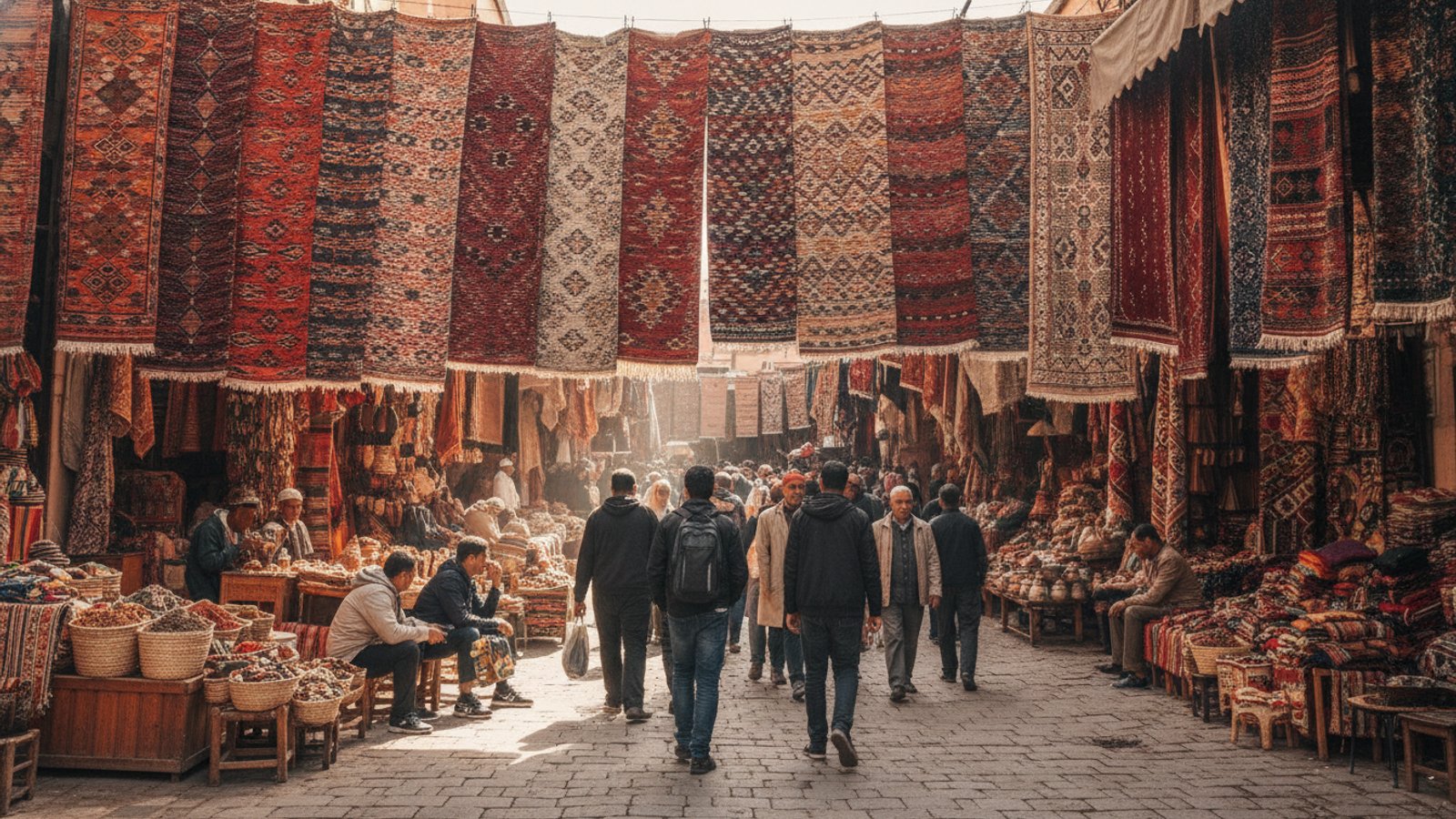
When it comes to purchasing rugs in Marrakech, the city is dotted with shops, souks, and marketplaces that offer a plethora of choices. Notable locations include:
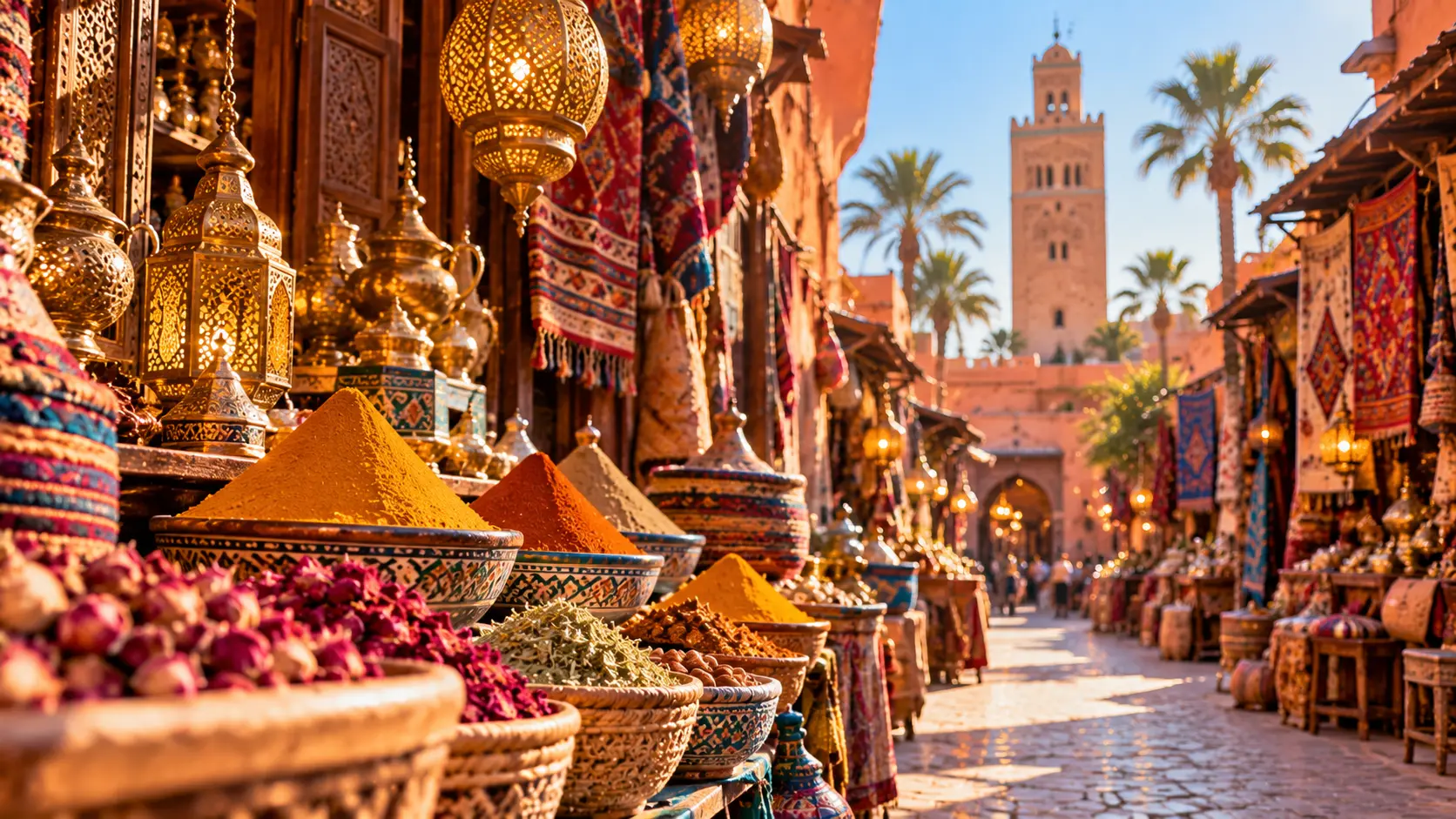
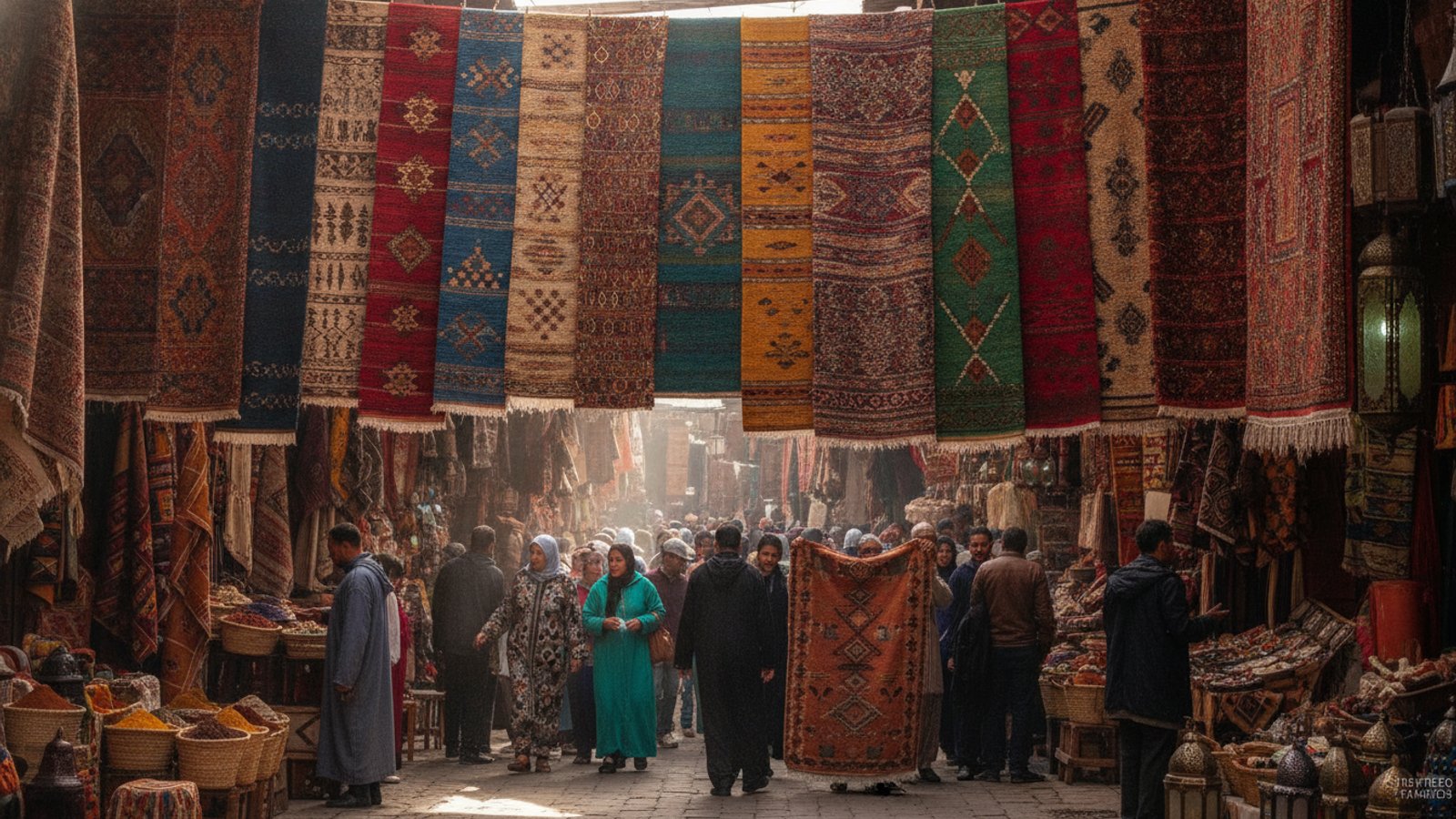
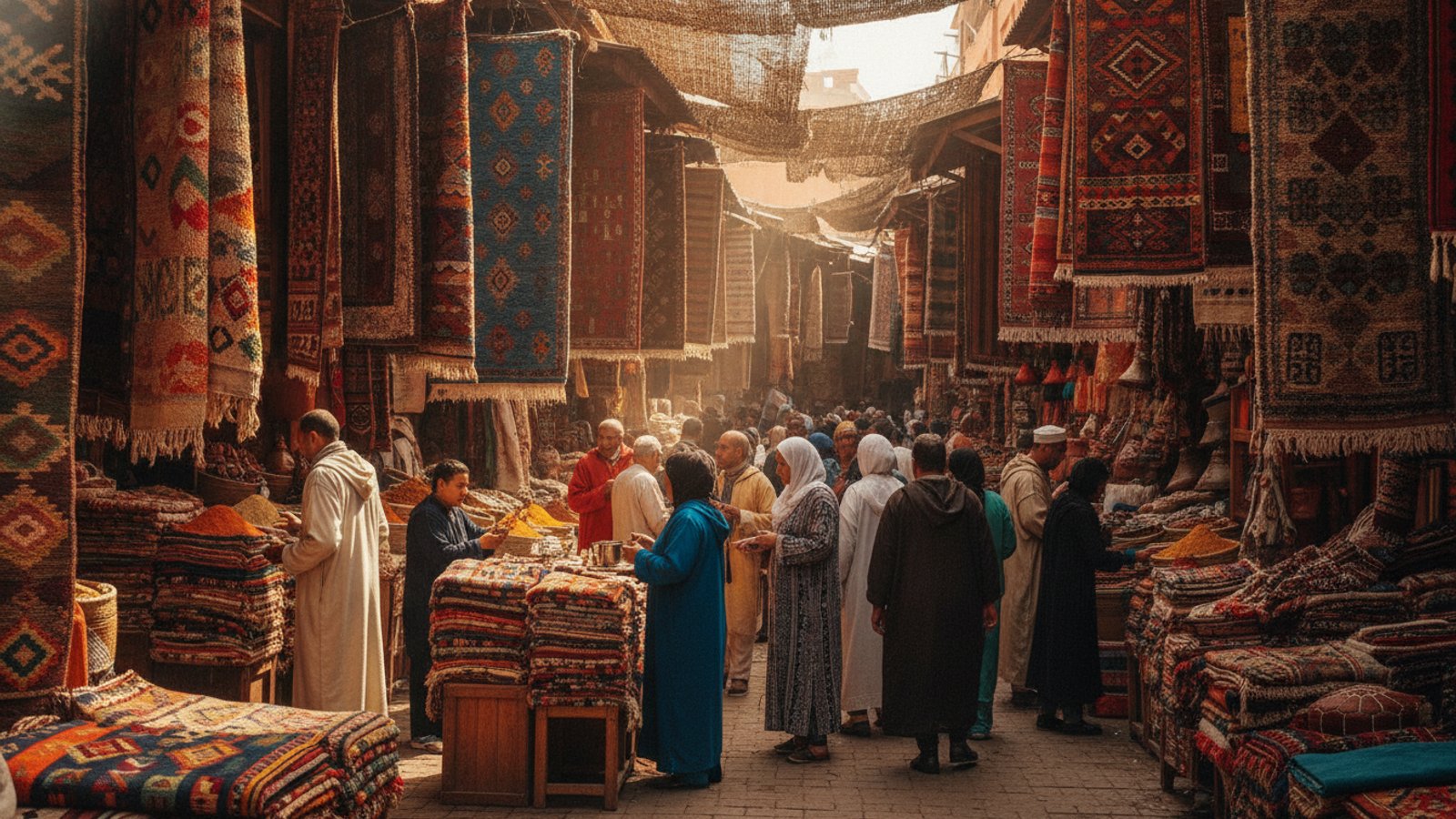
- Souk Semmarine: This vibrant market is known for its vast selection of rugs and home to local artisans. It offers authentic pieces at varied price points.
- La Maison de la Photographie: While primarily a photography gallery, it features a small shop with exquisite, high-quality rugs that are often overlooked by tourists.
- Rug Market (Place des Epices): A significant hub for rug shopping, this market features multiple vendors, allowing for easy price comparisons and a chance to negotiate directly.
By exploring these locations, shoppers can find unique rugs while gaining insights from the artisans about the craftsmanship behind each piece.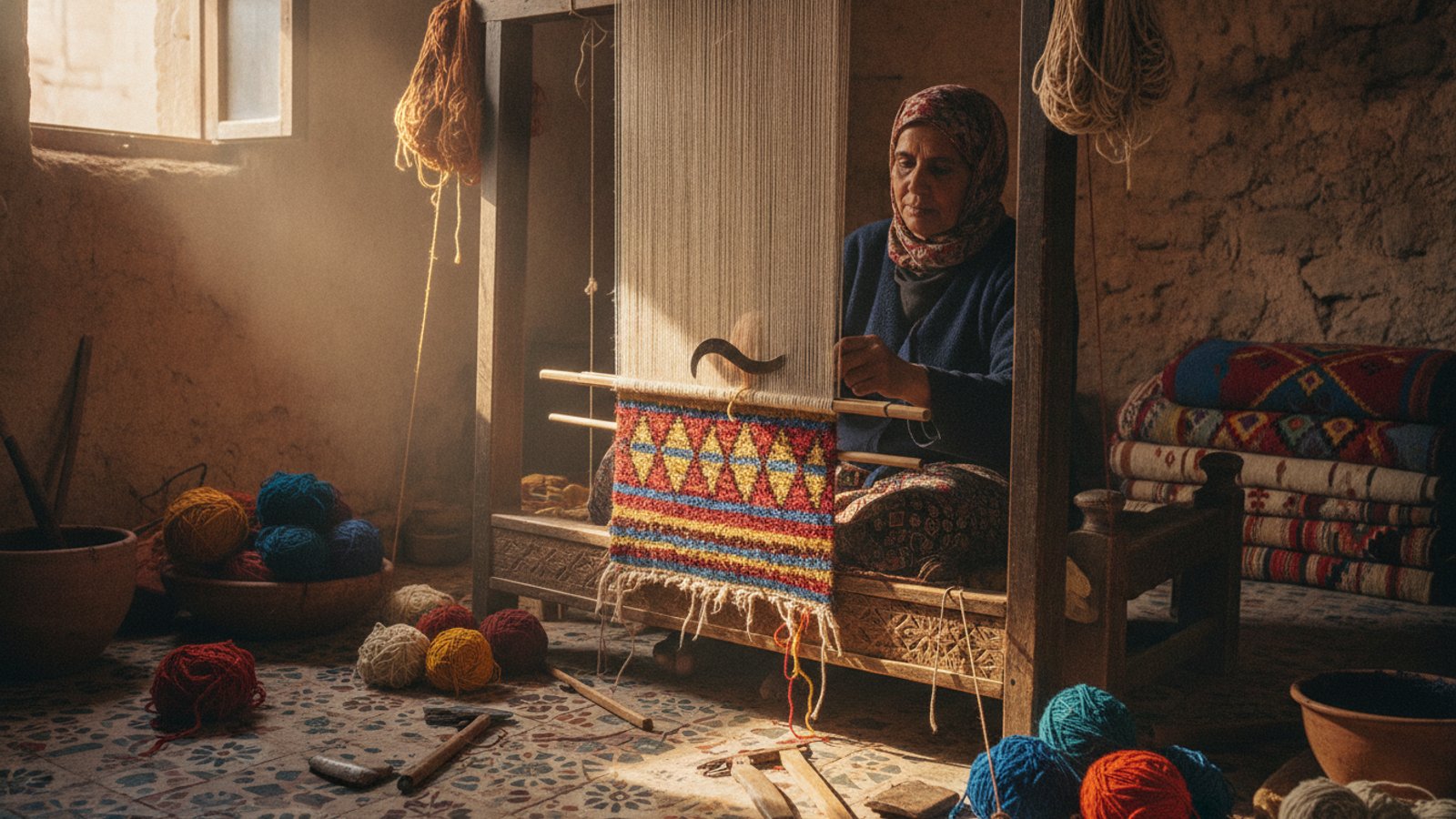
Comparing Prices of Local Rugs
The price of Moroccan rugs can vary significantly based on factors such as size, craftsmanship, and materials used. Here’s a general breakdown of expected prices:
- Local Berber Rugs: Ranging from 1,000 to 5,000 MAD (approximately $100 to $500) depending on the size and quality.
- Kilims: Typically priced between 700 and 3,000 MAD ($70 to $300), these flat weaves may be more affordable due to their simpler production process.
- Antique Rugs: Prices for genuine antique Moroccan rugs can soar over 10,000 MAD ($1,000), offering not just aesthetic value but significant historical context.
It’s crucial to assess the quality, considering the materials and the artisan’s techniques, when weighing the cost against the overall value of the rug.
Authenticity and Ethical Sourcing
With the rise of interest in Moroccan rugs, the market also faces challenges regarding authenticity and ethical sourcing. Many consumers want to ensure that their purchases support fair artisanship. To navigate this aspect, consider the following tips:
- Ask for Provenance: Inquire about the origins of the rug and the materials used. Reputable shops will provide insight into their sourcing methods.
- Look for Certifications: Some artisans and shops may offer certification to attest to the authenticity of the rugs and the ethical practices behind their production.
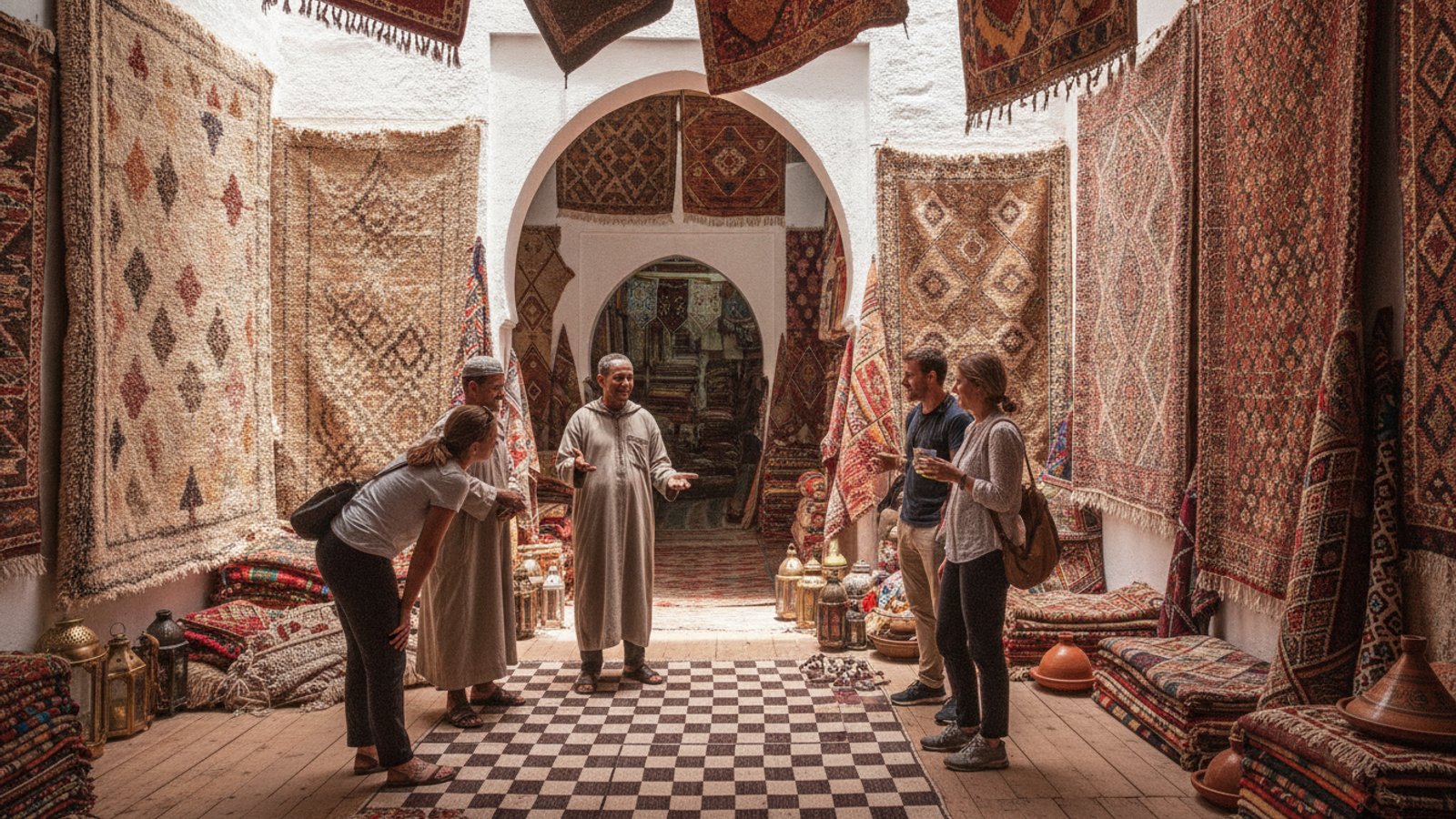
- Engage with Artisans: Conversations with the weavers themselves can reveal insights about the material sourcing and production methods, ensuring your purchase contributes to local economies.
For more on the ethical aspects of purchasing rugs, refer to our article on Best Place to Buy Rugs in Marrakech & Wool Source Ethics.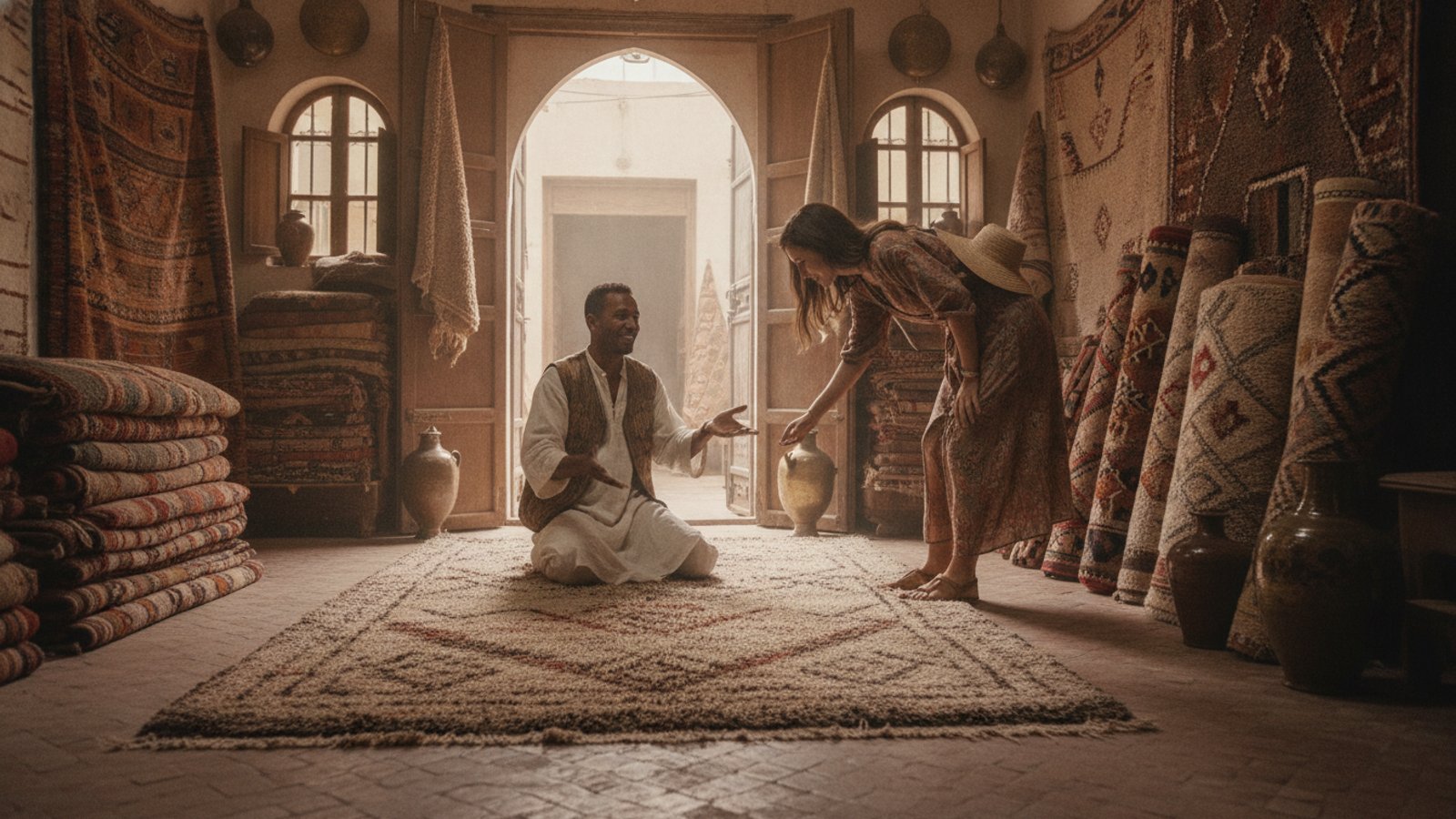
Expert Insights on Quality
Local artisans emphasize the importance of quality over quantity when selecting a rug. A well-made rug can last for generations and even be passed down as a family heirloom. Here are some tips to evaluate quality:
- Check the Knot Count: A higher knot count typically indicates a denser and more durable rug.
- Feel the Texture: Handmade rugs often have a more organic feel compared to machine-made ones, which may use synthetic fibers.
- Examine the Backing: If the rug has a backing, ensure it is consistent and well-crafted; this indicates better quality.
Engaging directly with artisans can also provide a deeper appreciation for their craft, enhancing the shopping experience.
Conclusion: Making the Right Choice
Shopping for rugs in Marrakech is more than a transaction; it is an opportunity to connect with the rich history and culture of Morocco. By understanding the different types, evaluating prices, and prioritizing ethical sourcing, you can make informed decisions that reflect not only your personal style but also your values.
The vibrant marketplaces of Marrakech await your exploration, filled with treasures that tell stories through their patterns and textures. As you embark on your journey, remember to communicate with artisans, ask questions, and enjoy the process of selecting a piece that speaks to your heart.
Frequently Asked Questions
What types of rugs are most common in Marrakech?
The most common types of rugs include Berber and kilims, with Berber rugs being handwoven and featuring geometric patterns, while kilims are flat-woven and known for colorful patterns.
How much should I expect to pay for a rug?
Prices for rugs in Marrakech can vary widely, ranging from about 700 MAD for kilims to over 10,000 MAD for antique rugs, depending on size and craftsmanship.
How can I ensure that a rug is authentic?
Ask the seller about the rug’s provenance, look for certifications, and engage with the artisans to learn about their sourcing and crafting methods to ensure authenticity.
Is haggling common when buying rugs in Marrakech?
Yes, haggling is a common practice in Marrakech’s markets, and buyers are encouraged to negotiate prices to get the best deal.
Where can I find the best deals on rugs?
The best deals can often be found in the Souk Semmarine and the Rug Market at Place des Epices, where multiple vendors allow for price comparisons.
What should I look for when evaluating rug quality?
Check the knot count, feel the texture, and examine the backing for consistency to assess the quality of a rug.