



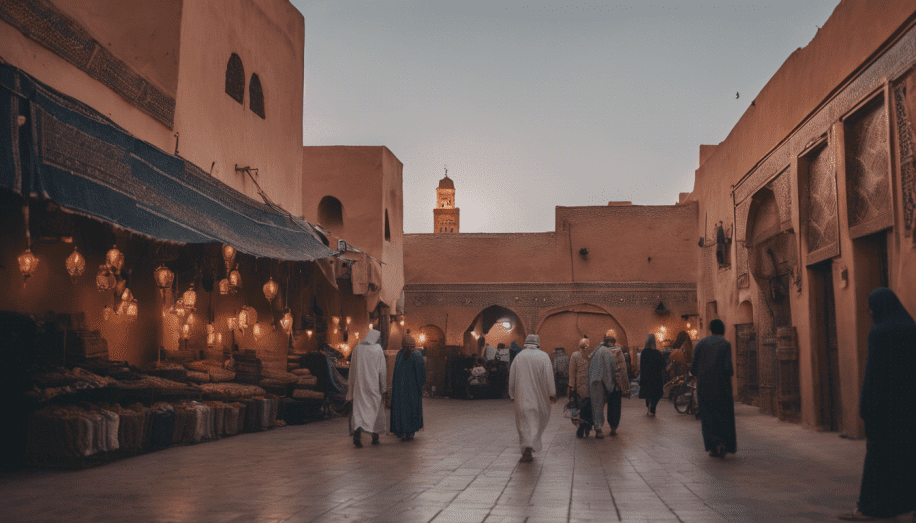
Ever been in Marrakech at the time of Ramadan? Trust me, it’s not just a visit — it takes on an entirely new meaning: spiritual, yet incredibly warm. The Red City, usually buzzing with energy, transforms into something far more serene during Ramadan. Forget all about that it is a bad time to come; it’s a time best enjoyed by slowing down and embracing authentic Moroccan life.
What is Ramadan?
Ramadan is a holy month for the Muslims, as their calendar is based on lunar positions, the ninth in number. Muslims fast from sunrise to sunset during this month. Fasting implies going without food, drinking, smoking, and even refraining from negative speech during the day. The focus during this month is faith, good deeds, and helping others.
The fast ends with the iftar meal every evening, usually shared with close friends, family – and sometimes even strangers. Muslims consume suhoor before dawn. It is basically a pre-fasting meal that Muslims eat before fasting starts. The last ten nights of Ramadan are particularly holy. Many people spend various times in prayer during this period.
When Does Ramadan Take Place?
Ramadan is based on the Islamic lunar calendar. The start of the month is confirmed by the sighting of the new moon (hilal), which means the Gregorian-date timing shifts each year by about 10–11 days.
For example, in 2025, Ramadan is expected to begin around March 1 or 2 (though the exact start depends on moon sighting). In 2026, it will begin earlier in February. Always check with a reliable local Islamic authority or Moroccan news sources close to travel time.
What Ramadan’s Like Day-to-Day in Marrakech
During Ramadan, the rhythm of daily life in Marrakech changes. The mornings tend to be quiet, as many locals rest after their pre-dawn suhoor. You’ll find fewer crowds at major attractions like the Bahia Palace or Majorelle Garden, which can actually be a blessing for tourists.
Shops often open later in the day, and the city carries a peaceful, slow-paced vibe. But as the sun sets, a wave of excitement rolls in. The smell of Moroccan cuisine fills the air, families gather, and communities begin preparing for iftar.
A special moment marks sunset—the sound of the adhan (call to prayer), sometimes accompanied by the traditional Ramadan cannon (medfaa), which signals the end of the fast for the day. It’s a powerful sound that echoes across the city, pausing everything.
Typical Daily Prayer & Fasting Schedule (Approximate for Marrakech in Ramadan)
| Prayer / Event | Approximate Time | Notes |
|---|---|---|
| Suhoor ends / Fajr (fast begins) | ~ 5:30 AM | Varies by day, earlier closer to summer |
| Dhuhr | ~ 12:45 PM | Midday prayer |
| Asr | ~ 3:45 PM | Afternoon prayer |
| Maghrib (Sunset / Iftar) | ~ 6:45 PM | When the fast breaks |
| Isha / Taraweeh | ~ 8:15–8:30 PM | Night prayers + special Ramadan prayers |
Times above are approximate and shift slightly each day. Use a daily prayer timetable/regional app for accurate times.
Less Crowded Markets
Shops might open later, and everything just feels a bit more chill. And hey, that’s actually great for you! You will see fewer people at the popular spots like the Bahia Palace or the Majorelle Garden. In a way, it is the best time to explore the city without feeling rushed.
As the afternoon rolls around, you can almost feel the city getting ready for something big. There’s this growing excitement for iftar, which is when everyone finally breaks their fast at sunset. Families start gathering, and soon, amazing smells of traditional food start wafting from homes.
This shared anticipation builds up to a beautiful moment when the sun dips down, and the call to prayer (or even a traditional cannon booming in bigger cities like Marrakech!) signals that it’s time to eat.
Transport & Public Services During Ramadan
During Ramadan, public transport (buses, intercity buses, trains) may run on adjusted schedules or reduced frequency, especially during daylight hours. It’s common for government offices, banks, postal services, and some public institutions to open later or close midday.
Tip: Plan intercity travel early in the morning or late evening. Verify timetables in advance and expect possible delays or fewer services.
Etiquette for Non-Fasting Visitors
-
Avoid eating, drinking, or smoking in public during daylight hours. If you must, do so discreetly in hotels, private restaurants, or designated tourist zones.
-
Dress modestly — especially around mosques, religious neighborhoods, or inside the medina (cover shoulders, knees).
-
Be mindful about noise during the day; locals may rest more than usual.
-
Ask permission before photographing people, especially during prayer time or in sensitive settings.
-
If invited to an Iftar, accept graciously. You may bring a small gift (dates, sweets, or flowers).
-
Greet locals with “Ramadan Mubarak” or “Ramadan Kareem” — it’s a friendly gesture and appreciated by residents.
Things to Watch Out For During Ramadan in Marrakech
-
Limited daytime dining options: Many local cafés or casual eateries close during daylight hours.
-
Lower foot traffic earlier in day: Medinas, souks, and attractions may feel sleepy or quiet.
-
Reduced hours at smaller shops/markets: These might open later or close early.
-
Fatigue / altered energy levels: Especially in the late afternoon as people fast — staff or locals may be less energetic.
-
Crowded evenings: The time just before and after iftar is often the busiest, so expect some congestion in squares and streets.
City Comes Alive at Night During Ramadan in Marrakech
Now, this is where the real magic of Ramadan in Marrakech truly happens. Those quiet streets you saw during the day? They suddenly burst with life, full of pure joy and celebration. Families pour into the squares, friends meet up at cafes, and the whole city just hums with laughter and chatter that often goes on super late.
The absolute best part? The iftar meal itself. It’s a real feast of classic Moroccan dishes. You’ll always start with dates – usually the very first thing people eat to break the fast – then comes a comforting bowl of harira soup, which is a big deal during Ramadan. After that, lots of sweet pastries like chebakia (those tasty honey-soaked sesame cookies) and briouats (small fried pastries, some sweet, some savory) make an appearance.
Iftar Buffets and Tents
Many hotels and restaurants offer special iftar buffets. Some even set up Ramadan tents (known locally as tentations), where locals and tourists can enjoy traditional meals, live music, and cultural performances in a festive setting.
If you’re lucky enough to be invited to a local’s home for iftar, accept the offer! It’s Moroccan hospitality at its best and a chance to make lifelong memories.
Also read: 10 Best Luxury Tented Camps in Marrakech

Visiting Marrakech During Ramadan: Good to Know
You’re in Marrakech during Ramadan, and you’re not fasting? Your next question might be: “Are restaurants open in Marrakech during Ramadan?”
Don’t worry at all! Just remember these few simple things and you can have a grand time without hurting local customs.
Indeed, the first thing is, even though you’re not fasting, daytime eating, drinking, or smoking outside is a general taboo. Most people find it worthy to avoid it as a simple way to respect those who are fasting.
You can find many hotels and some open restaurants specifically to keep the business going. You will be able to enter them for tourists in Marrakech during this season.
These places are totally set up for non-fasting guests, giving you a comfortable spot to eat your meals. Just don’t be surprised if some smaller, local eateries are closed during the day. Being flexible is your best bet!
For anyone planning their trip, Ramadan in Marrakech 2025 is actually a really nice time to visit Marrakech weather-wise. It’s mild and comfortable for exploring.
Cultural Experiences After Sunset
-
Jemaa el-Fna square becomes even more magical during Ramadan. Snake charmers, storytellers, and street food vendors light up the square.
-
Mosques fill with worshippers for Taraweeh prayers, especially at Koutoubia Mosque, where people even pray outside under the stars.
-
You might hear the nafar, a traditional town-crier, walk through neighborhoods before dawn, waking people for suhoor.
-
Don’t be surprised to find Gnawa, Sufi, or Berber musical performances happening in various parts of the city at night.
Is It a Good Time to Visit?
Yes! Ramadan in Marrakech often falls during the spring, when the weather is mild—perfect for walking tours, medina visits, and desert excursions.
Top Things to Do in Marrakech During Ramadan
So then, what are the highlights of Ramadan in Marrakech? There are plenty! You have the following things to do in Marrakech during Ramadan:
-
Wander the Medina in the Mornings:
Meaning that it’s best for meandering through the souks in the tranquility of the early morning. Here, there won’t be many shoppers, allowing you to take your time to explore and discuss more freely with the shopkeepers.
-
Check Out the Sights
You can check out popular main attractions in Marrakech. The popular ones are the Bahia Palace, Jardin Majorelle, and the historical sites-still open. There may be variation in their opening timing. It’s always a good idea to check on the opening times before heading out.
-
Experience an Iftar Meal
Seriously! Whether at the hotel, a local restaurant offering a special Ramadan menu, or if you are lucky, with the hospitality of a local family, attending Iftar will be freaking awesome for truly absorbing the culture.
-
Enjoy the Nightlife:
Now, this is where the city steals the show after Iftar. This is when you want to head to Jemaa el-Fna square for an array of entertaining night shows, followed by a late dinner at a rooftop restaurant with great bird-eye views of the city, or just stroll through the bright wooden streets while soaking up the jubilant atmosphere.
-
Shop in the Evenings:
The souks truly come alive after Iftar time and sometimes close quite late. A different kind of shopping energizes you.
-
Take a Cooking Class
Many cooking schools keep going during Ramadan and can be a fun way to get into Moroccan food, maybe even learning to make some traditional Ramadan dishes.
-
Be Patient and Kind
Moroccans are super friendly. But people may feel tired in the evening due to fasting. You can greet them “Ramadan Mubarak” (that means “Blessed Ramadan”) and have a little extra patience to actually make a difference.
-
Dress Respectfully
Marrakech is pretty casual, But you need to dress a bit more modestly during Ramadan. Be careful when you’re visiting religious places or walking through the medina. It will reflect that you respect local customs.
Also read: What to wear in Marrakech: Dresss Code Tips and Outfit Ideas for Every Season
Eid al-Fitr in Marrakech: The Celebration After Ramadan
When the new moon is sighted and Ramadan ends, Marrakech bursts into celebration for Eid al-Fitr — one of the most joyful and anticipated festivals in the Islamic calendar. The day begins with Eid prayers (Salat al-Eid) held in large open spaces, mosques, and city squares. Locals dress in their finest traditional attire, exchange greetings like “Eid Mubarak!”, and share festive meals with family and neighbors.
The morning starts early as families gather for prayers, followed by feasts of sweets and Moroccan delicacies such as chebakia (honey-coated sesame cookies), seffa (sweet couscous), and briouats (stuffed pastries). Homes and streets fill with the aroma of celebration, laughter, and community spirit.
For travelers, Eid offers a rare chance to witness Morocco’s warm hospitality up close. Many restaurants, shops, and attractions may close for part of the day as families celebrate, but by evening, Marrakech reawakens — streets light up, music plays, and the medina buzzes with renewed energy.
Visitors should note that public offices and banks remain closed on the first day of Eid (sometimes two), and transportation schedules may shift. It’s wise to plan ahead and book essential services in advance.
Whether you’re invited to join an Eid feast or simply strolling through Jemaa el-Fna, the atmosphere is unforgettable — filled with gratitude, joy, and renewal, marking the perfect finale to your Ramadan experience in Marrakech.
Take Away
Visiting Marrakech during Ramadan isn’t just a trip—it’s an invitation into the heart of Moroccan spirituality, community, and hospitality. You’ll witness a more introspective, generous side of the city, followed by joyful nights filled with light, music, and culture. Slow down, observe, and connect—you may find it’s the most meaningful way to explore Marrakech.
FAQs About Ramadan in Marrakech
Is it okay to visit Marrakech during Ramadan?
Yes, absolutely! The month of Ramadan is a unique and beautiful time to experience Moroccan culture. All you need to do is be just a little mindful and respectful.
How strict is Ramadan in Morocco?
Ramadan is widely observed in Morocco. That’s why daily life slows down. It’s not overly strict for tourists, but it’s best to be respectful in public.
Is there nightlife in Marrakech during Ramadan?
Yes, Marrakech truly comes alive after sunset! Evenings are festive with markets, food stalls, and gatherings continuing late into the night.
Can you drink alcohol in Marrakech during Ramadan?
Yes, in tourist hotels and some restaurants. It’s available, but public consumption during fasting hours is highly discouraged out of respect.


